


If you’ve ever sipped Panera’s famous charged lemonade and wondered how to recreate that perfectly balanced, refreshing citrus drink at home, you’re in the right place.
This copycat Panera bread charged lemonade recipe captures the essence of the café favorite using simple, fresh ingredients and a traditional technique that elevates ordinary lemonade into something extraordinary.
Whether you’re hosting a summer gathering, need a refreshing afternoon pick-me-up, or simply want to master how to make Panera charged lemonade at home, this best homemade charged lemonade recipe delivers restaurant-quality results with minimal effort and maximum flavor payoff.
What Does Panera Bread Charged Lemonade Taste Like?
This Panera charged lemonade drink recipe offers a vibrant, intensely lemony flavor with perfectly balanced sweetness that never tastes artificial or syrupy.

The oleo-saccharum technique extracts essential oils from the lemon zest, creating complex citrus notes with subtle floral undertones that commercial lemonades can’t replicate. Each sip delivers bright, tangy freshness with a smooth finish-not the harsh acidity of store-bought versions.
The result is a clean, naturally sweet beverage with depth and character that tastes like sunshine in a glass, making it the ultimate refreshing drink for any occasion.
Panera Bread Charged Lemonade Recipe Ingredients and Kitchen Utensils
Ingredients:
- 6 large lemons (fresh, preferably unwaxed or thoroughly scrubbed)
- 1 to 1½ cups white granulated sugar (adjust to taste preference)
- 5 cups cold fresh water
Kitchen Utensils:
- Vegetable peeler
- Medium-large mixing bowl
- Saucepan
- Fine-mesh strainer or cheesecloth
- Citrus juicer or reamer
- Pitcher
- Measuring cups
- Stirring spoon
Preparation and Cooking Time
Preparation Time: 15 minutes (active)
Resting Time: 2-12 hours (for oleo-saccharum)
Cooking Time: 5 minutes
Total Time: 2-12.5 hours
Servings: 6-8 glasses
Copycat Panera Bread Charged Lemonade Recipe
Step 1: Prepare the Lemons
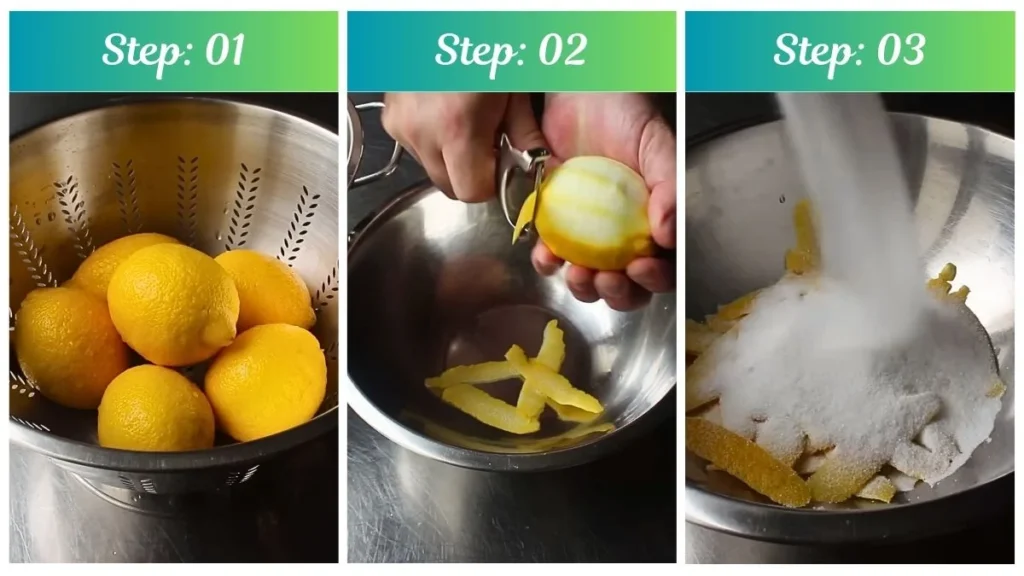
Wash all 6 lemons thoroughly under hot water, scrubbing vigorously if they feel waxy. Using a vegetable peeler, carefully remove only the bright yellow zest from each lemon, avoiding the bitter white pith beneath. Set the peeled lemons aside for juicing later.
Step 2: Create the Oleo-Saccharum
Place all the lemon zest strips into a medium-large bowl. Add 1 to 1½ cups granulated sugar (starting with 1 cup is recommended). Mix thoroughly, ensuring the sugar coats every piece of zest. Cover the bowl with a plate or plastic wrap and let it rest at room temperature for 2-12 hours-the longer it sits, the more flavorful your lemonade becomes.
Step 3: Make the Simple Syrup Base
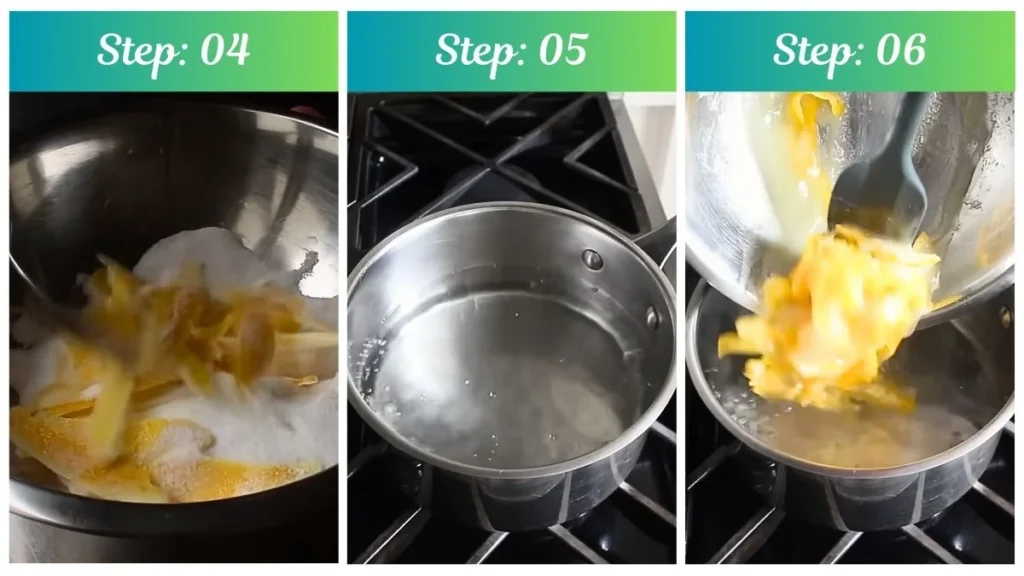
Pour 5 cups of cold water into a saucepan and bring to a rolling boil over high heat. Once boiling, immediately turn off the heat. Add the entire sugar and lemon peel mixture to the hot water, stirring well to dissolve the sugar completely. Let it steep for about 5 minutes.
Step 4: Strain the Mixture
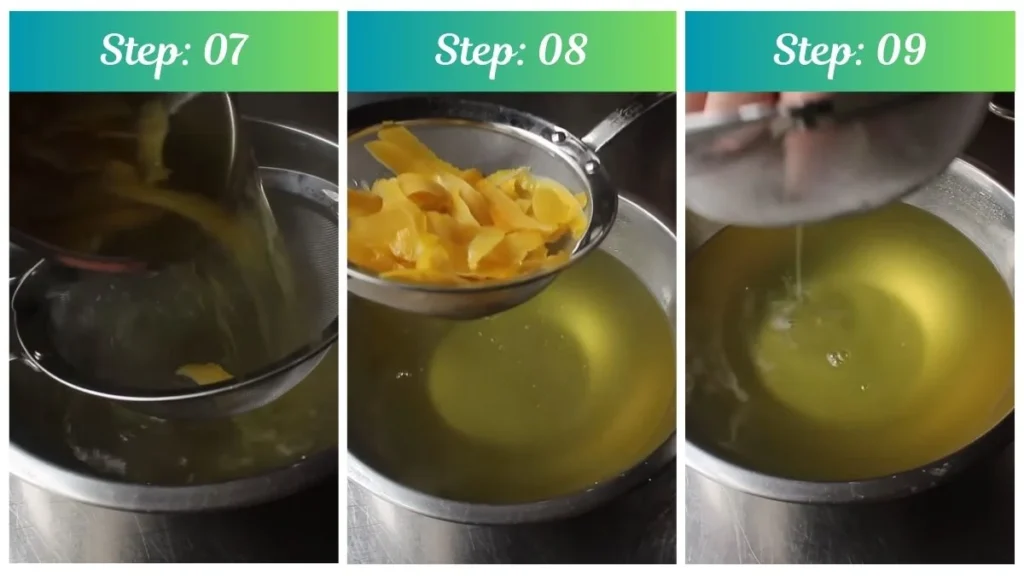
Strain the lemon-sugar water through a fine-mesh strainer or cheesecloth into a clean bowl or pitcher. Gently press the lemon peels to extract all the flavorful oils and liquid, then discard the spent peels.
Step 5: Cool Completely
Allow the strained lemon-sugar water to cool to room temperature. This step is crucial-adding fresh lemon juice to hot liquid can create bitter flavors and diminish the bright, fresh taste.
Step 6: Add Fresh Lemon Juice
Cut the 6 peeled lemons in half and juice them using a citrus reamer, juicer, or by hand. Strain out seeds and excess pulp if desired. Stir the fresh lemon juice into the cooled sugar water. Taste and adjust sweetness or tartness according to your preference.
Step 7: Chill and Serve
Transfer the lemonade to a pitcher, cover, and refrigerate for several hours until thoroughly chilled.
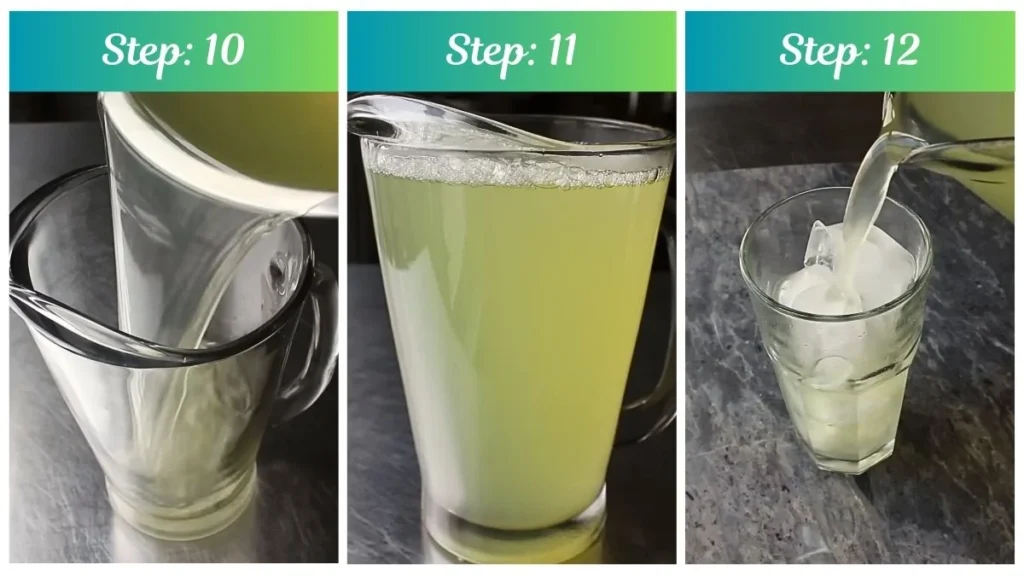
Serve over plenty of ice for the most refreshing experience.
Customization and Pairing Ideas for Serving
1. Strawberry Charged Lemonade Variation
Blend 1 cup fresh or frozen strawberries with a splash of your prepared lemonade, then strain and mix into the full batch for a fruity twist that mimics Panera’s popular strawberry version. This creates a beautiful pink color and adds natural sweetness.
2. Mint-Infused Refresher
Add a handful of fresh mint leaves to the oleo-saccharum during the resting period, or muddle mint directly in your glass before adding lemonade and ice. This herbaceous note pairs wonderfully with grilled chicken sandwiches or Mediterranean salads.
3. Sparkling Charged Lemonade
Replace half the still water with sparkling water or club soda just before serving for an effervescent version. Add the bubbles at the last moment to maintain carbonation-perfect for celebrations or brunch gatherings.
4. Lavender Honey Enhancement
Steep 1 tablespoon dried culinary lavender with the hot water and sugar mixture for a floral, sophisticated flavor profile. Substitute half the sugar with honey for additional complexity that pairs beautifully with cheese boards and charcuterie.
5. Ginger Kick Variation
Add 2-3 tablespoons freshly grated ginger to the hot sugar water for a spicy, warming element that aids digestion. This version pairs exceptionally well with Asian-inspired dishes or as a soothing beverage during cooler months.
6. Perfect Food Pairings
This charged lemonade complements sandwiches, salads, pasta dishes, grilled proteins, and light appetizers. Serve alongside Panera-inspired menu items like turkey avocado BLT, Greek salad, or mac and cheese for an authentic café experience at home.

7. Adult Beverage Option
Transform this into a cocktail by adding 1.5 oz vodka, gin, or limoncello per glass. Garnish with fresh lemon wheels and rosemary sprigs for an elegant summer cocktail that impresses guests at outdoor gatherings.
Essential Tips for Perfect Charged Lemonade
1. Choose Quality Lemons
The quality of your lemons directly impacts the final flavor. Look for heavy, thin-skinned lemons that feel firm and bright yellow. Organic or unwaxed varieties are ideal since you’re using the zest. Meyer lemons create a sweeter, more complex flavor profile if available.
2. Master the Oleo-Saccharum Technique
This Italian method extracts essential oils from citrus peels, creating depth impossible with juice alone. Don’t skip this step-even a 2-hour rest makes a significant difference. For maximum flavor, let it sit overnight. The mixture should become fragrant and slightly syrupy.
3. Avoid the Bitter White Pith
When peeling lemons, use a light touch with your vegetable peeler. The bitter white pith beneath the yellow zest can make your lemonade unpleasantly bitter. If you accidentally get too much pith, simply trim it off before adding to the sugar.
4. Temperature Matters
Always cool your sugar-water mixture completely before adding fresh lemon juice. Hot liquid destroys the delicate, bright flavors in fresh citrus juice and can create a cooked, flat taste. Patience here rewards you with vibrant, fresh-tasting lemonade.
5. Adjust Sweetness Gradually
Start with 1 cup of sugar and adjust after tasting the finished product. Personal preferences vary widely, and you can always add more sweetness but can’t remove it. Remember that serving over ice will slightly dilute the lemonade, so it should taste slightly strong before chilling.
6. Strain Thoroughly
Use a fine-mesh strainer or double layer of cheesecloth to remove all zest pieces, pulp, and seeds. A smooth texture is essential for the best drinking experience. Press gently on the solids to extract maximum flavor without forcing bitter elements through.
7. Serve Properly Chilled
Charged lemonade tastes best when served ice-cold. Refrigerate for at least 3-4 hours before serving, and use plenty of ice in each glass. Consider freezing lemon slices or extra lemonade in ice cube trays to prevent dilution while keeping drinks cold.
Storage and Reheating Guidance
Store your homemade charged lemonade in an airtight pitcher or container in the refrigerator for up to 5 days. The flavors actually develop and mellow beautifully after the first day. Give it a good stir before serving as natural separation may occur. No reheating needed-this beverage is always served cold.
Panera Bread Charged Lemonade Recipe
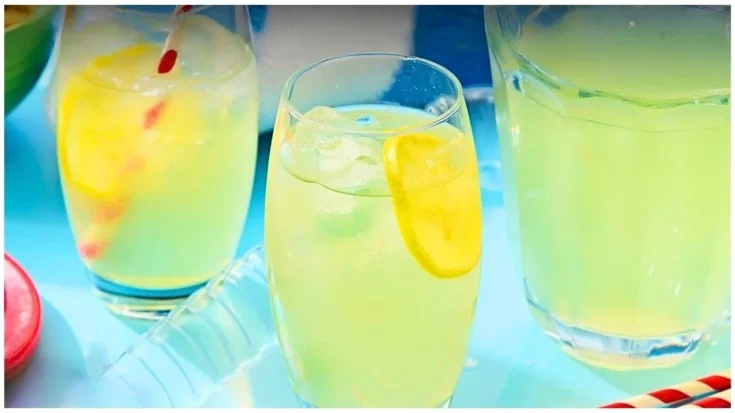
If you’ve ever sipped Panera’s famous charged lemonade and wondered how to recreate that perfectly balanced, refreshing citrus drink at home, you’re in the right place. This copycat Panera bread charged lemonade recipe captures the essence of the café favorite using simple, fresh ingredients and a traditional technique that elevates ordinary lemonade into something extraordinary.
Ingredients
- 6 large lemons (fresh, preferably unwaxed or thoroughly scrubbed)
- 1 to 1½ cups white granulated sugar (adjust to taste preference)
- 5 cups cold fresh water
Instructions
Step 1: Prepare the Lemons
Wash all 6 lemons thoroughly under hot water, scrubbing vigorously if they feel waxy. Using a vegetable peeler, carefully remove only the bright yellow zest from each lemon, avoiding the bitter white pith beneath. Set the peeled lemons aside for juicing later.
Step 2: Create the Oleo-Saccharum
Place all the lemon zest strips into a medium-large bowl. Add 1 to 1½ cups granulated sugar (starting with 1 cup is recommended). Mix thoroughly, ensuring the sugar coats every piece of zest. Cover the bowl with a plate or plastic wrap and let it rest at room temperature for 2-12 hours-the longer it sits, the more flavorful your lemonade becomes.
Step 3: Make the Simple Syrup Base
Pour 5 cups of cold water into a saucepan and bring to a rolling boil over high heat. Once boiling, immediately turn off the heat. Add the entire sugar and lemon peel mixture to the hot water, stirring well to dissolve the sugar completely. Let it steep for about 5 minutes.
Step 4: Strain the Mixture
Strain the lemon-sugar water through a fine-mesh strainer or cheesecloth into a clean bowl or pitcher. Gently press the lemon peels to extract all the flavorful oils and liquid, then discard the spent peels.
Step 5: Cool Completely
Allow the strained lemon-sugar water to cool to room temperature. This step is crucial-adding fresh lemon juice to hot liquid can create bitter flavors and diminish the bright, fresh taste.
Step 6: Add Fresh Lemon Juice
Cut the 6 peeled lemons in half and juice them using a citrus reamer, juicer, or by hand. Strain out seeds and excess pulp if desired. Stir the fresh lemon juice into the cooled sugar water. Taste and adjust sweetness or tartness according to your preference.
Step 7: Chill and Serve
Transfer the lemonade to a pitcher, cover, and refrigerate for several hours until thoroughly chilled. Serve over plenty of ice for the most refreshing experience.
Notes
Store your homemade charged lemonade in an airtight pitcher or container in the refrigerator for up to 5 days. The flavors actually develop and mellow beautifully after the first day. Give it a good stir before serving as natural separation may occur. No reheating needed-this beverage is always served cold.
Nutrition Information:
Yield:
6Serving Size:
1Amount Per Serving: Calories: 250
Common Queries and FAQs
When you give this Panera Bread Charged Lemonade Recipe a try, you might have a few questions. Don’t worry-we’ve rounded up answers to the most common ones to help you out.
Q: Is this copycat recipe caffeinated like the original Panera charged lemonade?
A: No, this homemade version contains no caffeine. The original Panera charged lemonade includes added caffeine from guarana extract and green coffee extract. If you want to replicate the energizing effect, you could add caffeine powder or liquid caffeine drops available at health stores, though we recommend enjoying this as a naturally refreshing, caffeine-free beverage.
Q: Can I make this recipe sugar-free or low-calorie?
A: Yes! Substitute the granulated sugar with your preferred sweetener such as erythritol, stevia, monk fruit sweetener, or allulose. Keep in mind that alternative sweeteners may not extract oils from the lemon zest as effectively as granulated sugar, potentially resulting in less flavor complexity. You may need to adjust quantities since most sugar substitutes have different sweetness levels than regular sugar.
Q: Why does my lemonade taste bitter?
A: Bitterness typically comes from three sources: too much white pith included with the zest, adding fresh lemon juice to hot liquid, or over-steeping the lemon peels. Ensure you’re peeling only the yellow zest, cool the mixture completely before adding juice, and don’t steep the peels longer than recommended.
Q: Can I use bottled lemon juice instead of fresh lemons?
A: While technically possible, bottled lemon juice will significantly compromise the fresh, vibrant flavor that makes this recipe special. Fresh lemon juice contains essential oils and compounds that degrade during bottling and preservation. For the best homemade charged lemonade, always use fresh lemons-the difference is truly remarkable.
Q: How can I make a larger batch for a party?
A: Simply double or triple all ingredients proportionally. The oleo-saccharum technique scales beautifully. For very large batches, consider making multiple standard batches rather than one enormous one, as this ensures proper flavor extraction and easier handling during the preparation process.
Q: What’s the difference between this and regular lemonade?
A: The oleo-saccharum technique is the key differentiator. By extracting essential oils from the lemon zest through maceration with sugar, you create a more complex, aromatic, and flavorful base than simply mixing lemon juice with sugar water. This results in a brighter citrus flavor with subtle complexity and a smoother finish.
Q: Can I freeze this lemonade?
A: Yes, this charged lemonade freezes well for up to 3 months. Pour into freezer-safe containers, leaving 1-2 inches of headspace for expansion. Thaw in the refrigerator overnight and stir well before serving. You can also freeze it in ice cube trays to add to future batches without dilution.
This Panera bread charged lemonade recipe proves that café-quality refreshment is absolutely achievable in your own kitchen. By using the traditional oleo-saccharum method with fresh lemons and simple ingredients, you’ve mastered how to make Panera charged lemonade at home while controlling sweetness, quality, and customization.
This best homemade charged lemonade recipe delivers superior flavor at a fraction of the cost, perfect for hot summer days, entertaining guests, or simply treating yourself. The techniques you’ve learned here elevate basic lemonade into something extraordinary-a refreshing testament to the power of fresh ingredients and time-honored methods.
We’d love to hear how this recipe turns out for you! Give it a try, then drop a comment below to share your thoughts and tips with us.
You can also follow us on Pinterest, and YouTube for more delicious updates and kitchen inspiration. Your feedback and support mean the world to us!