
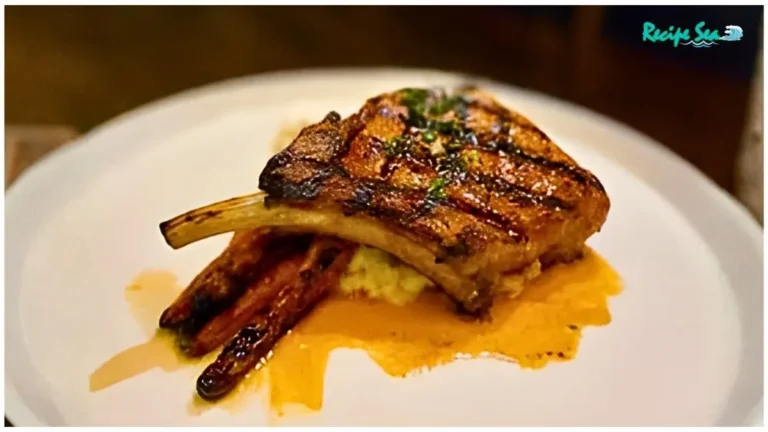

There’s something magical about sinking your knife into a perfectly seared, juicy pork chop at Outback Steakhouse. The good news? You don’t need to wait for a dinner reservation to enjoy this steakhouse classic.
This copycat Outback Steakhouse pork chop recipe brings that signature charred crust and tender, succulent center right to your own kitchen. With just a handful of simple ingredients and a foolproof technique, you’ll master the art of cooking Outback pork chops that rival the restaurant original.
Whether you’re craving a special weeknight dinner or planning an impressive meal for guests, this recipe delivers steakhouse-worthy results every single time.
What Does It Taste Like?
These Outback steakhouse pork chops deliver a beautifully balanced flavor profile that’s both simple and sophisticated. The exterior boasts a deeply caramelized, golden-brown crust with a subtle smokiness from the high-heat sear.

Each bite reveals incredibly juicy, tender meat with a mild, sweet pork flavor enhanced by the savory notes of kosher salt and the gentle heat of freshly cracked black pepper. The olive oil adds richness without overwhelming the natural taste of premium pork.
Unlike heavily marinated chops, this Outback pork chop recipe lets the quality of the meat shine through, creating that classic steakhouse experience where simplicity meets perfection.
Outback Steakhouse Pork Chop Recipe Ingredients
Main Ingredients:
- 4 thick-cut pork chops (1.5–2 inches thick, about 10 oz each)
- 2–3 tablespoons olive oil
- 2 teaspoons kosher salt (or sea salt)
- 1 teaspoon freshly ground black pepper
Kitchen Utensils:
- Cast-iron skillet (12-inch recommended)
- Paper towels
- Meat thermometer
- Tongs
- Clean plate for resting
- Oven mitts
Preparation and Cooking Time
Prep Time: 5 minutes
Cook Time: 15-20 minutes
Resting Time: 5 minutes
Total Time: 25-30 minutes
Servings: 4
Copycat Outback Steakhouse Pork Chop Recipe
Step 1: Prepare the Pork Chops
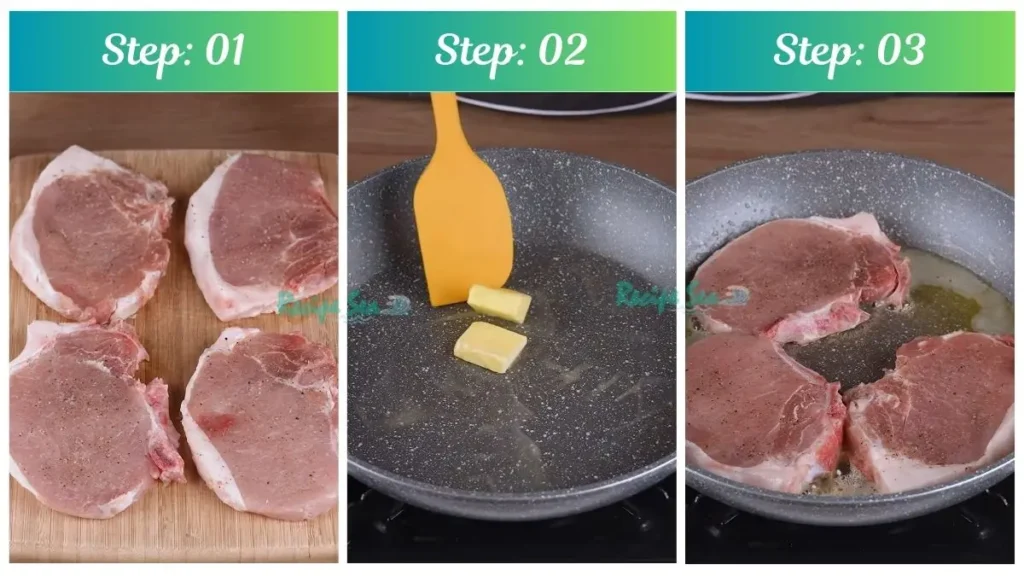
Remove the pork chops from the refrigerator 20-30 minutes before cooking to bring them to room temperature. Pat each chop thoroughly dry with paper towels on both sides. This crucial step removes excess moisture, ensuring a beautiful sear rather than steam.
Step 2: Season the Meat
Preheat your oven to 400°F (200°C). Drizzle or rub olive oil over both sides of each pork chop, coating evenly. Sprinkle the kosher salt and freshly ground black pepper over both sides, pressing gently with your fingers so the seasoning adheres to the meat.
Step 3: Heat the Pan
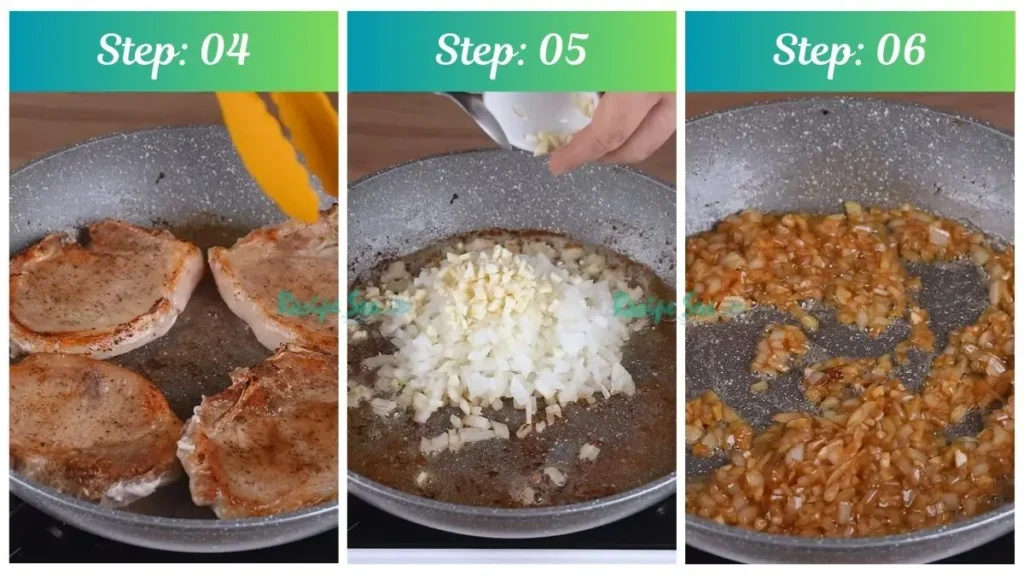
Place your cast-iron skillet over medium-high heat. Allow it to heat for 3-4 minutes until it’s very hot and you see wisps of smoke. A properly heated pan is essential for achieving that signature Outback crust.
Step 4: Sear the Chops
Carefully place the seasoned pork chops in the hot skillet, laying them away from you to avoid oil splatter. Don’t move them! Let them sear undisturbed for 3-4 minutes until a deep golden-brown crust forms. Flip each chop using tongs and sear the second side for another 3-4 minutes.
Step 5: Finish in the Oven
Using oven mitts, transfer the entire skillet to your preheated 400°F oven. Bake for 6-10 minutes, depending on thickness, until an instant-read thermometer inserted into the thickest part reads 145°F (63°C). Thicker chops will need the full 10 minutes.
Step 6: Rest the Meat
Remove the skillet from the oven (don’t forget-that handle is scorching hot!). Transfer the pork chops to a clean plate and tent loosely with foil. Let them rest for 5 minutes. This allows juices to redistribute throughout the meat.

Step 7: Serve
Spoon any remaining pan juices over the chops. Add a squeeze of fresh lemon juice if desired, and serve immediately with your favorite steakhouse sides.
7 Customization and Pairing Ideas
1. Garlic Herb Butter Topping
Transform your Outback pork chops recipe by topping each chop with a pat of compound butter made from softened butter, minced garlic, fresh thyme, and parsley. The butter melts over the hot meat, creating an instant sauce that adds restaurant-level elegance.
2. Bourbon Glaze Variation
Create a sweet and savory glaze by deglazing the pan after searing with bourbon, brown sugar, and Dijon mustard. This adds complexity while maintaining that steakhouse vibe, perfect for special occasions when you want to elevate your Outback steakhouse pork chop experience.
3. Classic Steakhouse Sides
Pair your pork chops with loaded baked potatoes, creamed spinach, and grilled asparagus for an authentic Outback experience. The rich, indulgent sides complement the simply seasoned meat beautifully, creating a well-balanced plate.
4. Lighter Summer Pairing
Serve with a fresh arugula salad dressed in lemon vinaigrette, roasted cherry tomatoes, and garlic green beans for a lighter take. This combination works wonderfully for warm-weather dining while keeping that steakhouse protein as the star.
5. Spicy Cajun Twist
Add Cajun or blackening seasoning to your salt and pepper mixture for a Louisiana-inspired version. The bold spices create a flavorful crust that adds excitement without straying too far from the original copycat Outback steakhouse pork chop recipe.
6. Apple Cider Pan Sauce
After removing the chops, deglaze the skillet with apple cider, add a splash of cream, and reduce until slightly thickened. This sweet-savory sauce pairs exceptionally well with pork’s natural flavor profile.
7. Mushroom Medley Accompaniment
Sauté mixed mushrooms (cremini, shiitake, and oyster) in the pork drippings with garlic and fresh herbs. This creates an earthy, umami-rich topping that’s worthy of any upscale steakhouse menu.

7 Expert Tips for Perfect Pork Chops
1. Choose the Right Cut
The secret to replicating Outback steakhouse pork chops starts at the butcher counter. Look for bone-in, center-cut rib chops or loin chops that are at least 1.5 inches thick. Thicker chops allow for a proper sear without overcooking the interior. The bone adds flavor and helps the meat cook more evenly. If your grocery store only carries thin chops, ask the butcher to cut custom thick chops-they’re usually happy to help.
2. Master the Internal Temperature
Invest in a quality instant-read thermometer and pull your pork chops at exactly 145°F. This is the USDA-recommended safe temperature and ensures juicy, slightly pink meat. Remember that carryover cooking will raise the temperature another 3-5 degrees during resting. Overcooking to 160°F+ results in dry, tough chops that no amount of sauce can rescue.
3. Don’t Skip the Room Temperature Step
Cold meat from the refrigerator hits a hot pan and cooks unevenly-burnt outside, raw inside. Letting your Outback pork chop sit at room temperature for 20-30 minutes ensures even cooking from edge to center. This small step makes a dramatic difference in the final texture and prevents that dreaded gray band of overcooked meat.
4. The Dry Surface Secret
Moisture is the enemy of a good sear. Professional chefs know that patting meat completely dry creates that coveted steakhouse crust. You can even leave the seasoned chops uncovered in the refrigerator for an hour before cooking to further dry the surface. This technique, called “dry-brining,” concentrates flavor and improves browning.
5. Cast Iron Is Non-Negotiable
While you can use other pans, cast iron retains heat better than anything else, creating consistent contact and superior crust development. It also transitions seamlessly from stovetop to oven. If your cast iron isn’t well-seasoned, the chops may stick-make sure your pan is properly maintained and well-oiled.
6. Resist the Urge to Flip Multiple Times
Unlike burgers, pork chops need just one flip. Moving them around prevents proper browning and releases juices prematurely. Place them in the pan, walk away, and trust the process. You’ll know they’re ready to flip when they release easily from the pan-if they’re sticking, they need more time.
Storage and Reheating Guidance
Store leftover pork chops in an airtight container in the refrigerator for up to 3-4 days. Reheat gently in a 325°F oven for 8-10 minutes, or slice and warm in a skillet with a splash of broth to prevent drying out.
Outback Steakhouse Pork Chop Recipe
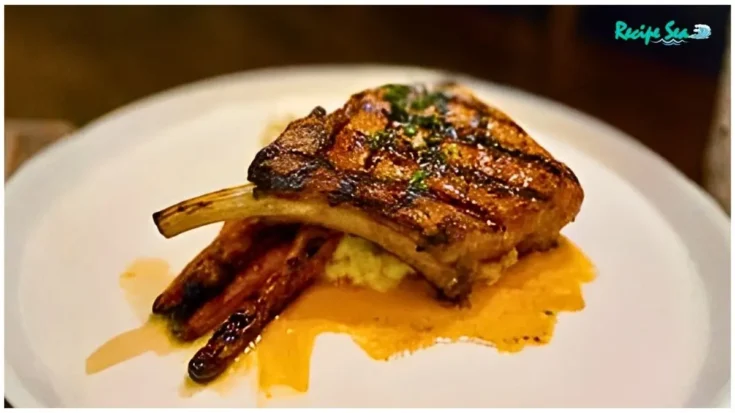
There’s something magical about sinking your knife into a perfectly seared, juicy pork chop at Outback Steakhouse. The good news? You don’t need to wait for a dinner reservation to enjoy this steakhouse classic.
Ingredients
- 4 thick-cut pork chops (1.5–2 inches thick, about 10 oz each)
- 2–3 tablespoons olive oil
- 2 teaspoons kosher salt (or sea salt)
- 1 teaspoon freshly ground black pepper
Instructions
Step 1: Prepare the Pork Chops
Remove the pork chops from the refrigerator 20-30 minutes before cooking to bring them to room temperature. Pat each chop thoroughly dry with paper towels on both sides. This crucial step removes excess moisture, ensuring a beautiful sear rather than steam.
Step 2: Season the Meat
Preheat your oven to 400°F (200°C). Drizzle or rub olive oil over both sides of each pork chop, coating evenly. Sprinkle the kosher salt and freshly ground black pepper over both sides, pressing gently with your fingers so the seasoning adheres to the meat.
Step 3: Heat the Pan
Place your cast-iron skillet over medium-high heat. Allow it to heat for 3-4 minutes until it’s very hot and you see wisps of smoke. A properly heated pan is essential for achieving that signature Outback crust.
Step 4: Sear the Chops
Carefully place the seasoned pork chops in the hot skillet, laying them away from you to avoid oil splatter. Don’t move them! Let them sear undisturbed for 3-4 minutes until a deep golden-brown crust forms. Flip each chop using tongs and sear the second side for another 3-4 minutes.
Step 5: Finish in the Oven
Using oven mitts, transfer the entire skillet to your preheated 400°F oven. Bake for 6-10 minutes, depending on thickness, until an instant-read thermometer inserted into the thickest part reads 145°F (63°C). Thicker chops will need the full 10 minutes.
Step 6: Rest the Meat
Remove the skillet from the oven (don’t forget-that handle is scorching hot!). Transfer the pork chops to a clean plate and tent loosely with foil. Let them rest for 5 minutes. This allows juices to redistribute throughout the meat.
Step 7: Serve
Spoon any remaining pan juices over the chops. Add a squeeze of fresh lemon juice if desired, and serve immediately with your favorite steakhouse sides.
Notes
Store leftover pork chops in an airtight container in the refrigerator for up to 3-4 days. Reheat gently in a 325°F oven for 8-10 minutes, or slice and warm in a skillet with a splash of broth to prevent drying out.
Nutrition Information:
Yield:
4Serving Size:
1Amount Per Serving: Calories: 400
Common Questions and FAQs
What makes Outback Steakhouse pork chops so tender?
The tenderness comes from using quality thick-cut chops, proper high-heat searing to lock in juices, and cooking to the precise temperature of 145°F. Outback likely uses premium pork from well-marbled cuts, and the oven-finishing method ensures even cooking without drying out the meat.
Can I make this Outback pork chops recipe without a cast-iron skillet?
Yes, though cast iron is ideal. Use a heavy-bottomed oven-safe stainless steel skillet as your next best option. Avoid nonstick pans, which can’t handle the high heat needed for proper searing and may release harmful fumes above 400°F.
How do I know when my pork chops are done without a thermometer?
While a thermometer is most reliable, you can press the meat with your finger-it should feel like the fleshy part of your palm below your thumb when making an “OK” sign. The juices should run clear, not pink. However, investing in a $15 instant-read thermometer eliminates guesswork.
Why are my copycat Outback steakhouse pork chops tough and dry?
Overcooking is the number one culprit. Pork cooked beyond 150°F becomes tough and dry. Also, using thin chops (under 1 inch) makes it nearly impossible to achieve a good sear without overcooking. Always use thick-cut chops and monitor temperature carefully.
Can I marinate the pork chops for this recipe?
While Outback’s signature style uses simple seasoning, you can marinate for 2-4 hours if desired. Use an acidic marinade (with citrus or vinegar) sparingly, as it can make the exterior mushy. Pat very dry before searing. The classic Outback pork chop recipe relies on the meat’s natural flavor with minimal seasoning.
What’s the best type of pork chop to buy for this recipe?
Look for bone-in center-cut rib chops or loin chops, 1.5-2 inches thick. The bone adds flavor and prevents overcooking. Choose chops with some marbling (white fat streaks within the meat) for better flavor and juiciness. Heritage breed pork, while pricier, offers superior taste.
Should I brine my pork chops before cooking?
Brining isn’t necessary for this Outback steakhouse pork chops recipe, but a 30-minute quick brine (1/4 cup salt per quart of water) can add insurance against drying. Rinse and pat completely dry before seasoning. Dry-brining (salting and refrigerating uncovered overnight) is even better.
Can I grill these instead of using a skillet and oven?
Absolutely! Preheat your grill to high heat (450-500°F). Sear the seasoned chops over direct heat for 3-4 minutes per side, then move to indirect heat and close the lid. Cook until the internal temperature reaches 145°F, about 6-10 additional minutes.
Why do I need to let the pork chops rest after cooking?
Resting allows muscle fibers to relax and reabsorb juices. When meat cooks, proteins contract and push moisture toward the center. Resting gives time for even redistribution. Skip this step and you’ll have a puddle of juice on your plate and dry meat in your mouth.
How thick should my pork chops be for this recipe?
Aim for 1.5 to 2 inches thick. This thickness allows enough time to develop a deep, caramelized crust while the interior reaches 145°F without overcooking. Thinner chops (under 1 inch) cook too quickly and are prone to drying out before proper browning occurs.
Can I cook frozen pork chops using this method?
Not recommended. Frozen chops release too much moisture when searing, preventing proper browning. They also cook unevenly. Always thaw pork chops completely in the refrigerator (24 hours for thick chops) before attempting this Outback pork chop preparation method.
What sides does Outback Steakhouse serve with their pork chops?
Outback typically pairs pork chops with options like loaded mashed potatoes, fresh seasonal vegetables, sweet potato, or their signature Aussie fries. A house or Caesar salad often accompanies the meal. Recreate the full experience by choosing hearty, indulgent sides.
Is olive oil better than butter for searing pork chops?
Yes, for the initial sear. Olive oil has a higher smoke point (375-410°F) than butter (300-350°F), making it better for high-heat cooking. Butter burns easily and creates bitter flavors. However, finishing with butter after searing adds richness and flavor.
How can I add more flavor without ruining the simple seasoning?
After cooking, create a quick pan sauce by deglazing the hot skillet with wine, broth, or bourbon, then whisking in cold butter. You can also top with compound butter, fresh herbs, or a squeeze of lemon. These additions enhance without masking the pork’s natural flavor.
This copycat Outback Steakhouse pork chop recipe proves that restaurant-quality meals are absolutely achievable in your home kitchen. With premium thick-cut chops, simple seasoning, and the foolproof sear-and-oven technique, you’ll create tender, juicy Outback pork chops that impress every time.
The beauty of this recipe lies in its simplicity-quality ingredients prepared with proper technique deliver extraordinary results. Now you can skip the wait times and enjoy steakhouse-caliber pork chops any night of the week. Fire up that cast-iron skillet and get ready to taste why this recipe has become a beloved favorite!
You can also follow us on Pinterest, and YouTube for more delicious updates and kitchen inspiration. Your feedback and support mean the world to us!
1 comment