
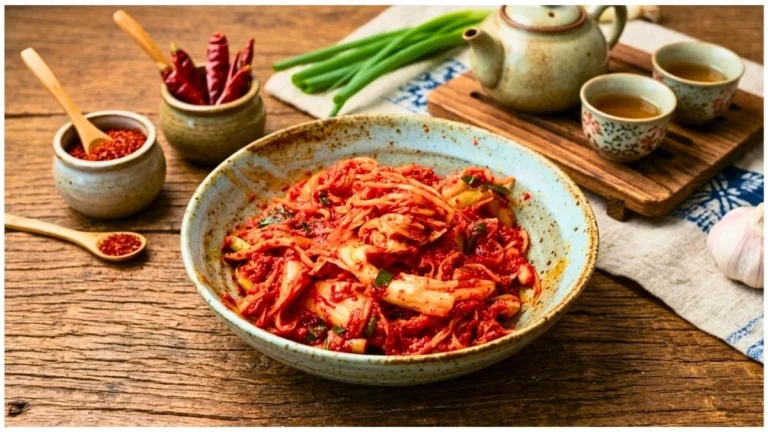

Looking for an easier way to make authentic Korean kimchi at home? This gochujang kimchi recipe streamlines the traditional fermentation process by using gochujang (Korean red chili paste) as the flavor base.
Unlike classic kimchi that requires gochugaru (Korean chili flakes) and fish sauce, this version delivers bold, umami-rich taste with fewer specialty ingredients.
Whether you’re new to Korean cooking or a seasoned kimchi maker seeking a quicker method, learning how to make gochujang kimchi opens the door to probiotic-rich, spicy, and tangy homemade fermented vegetables that elevate any meal.
What Does Gochujang Kimchi Taste Like?
Gochujang kimchi offers a complex flavor profile that’s deeply savory, moderately spicy, and slightly sweet with developing tanginess from fermentation.
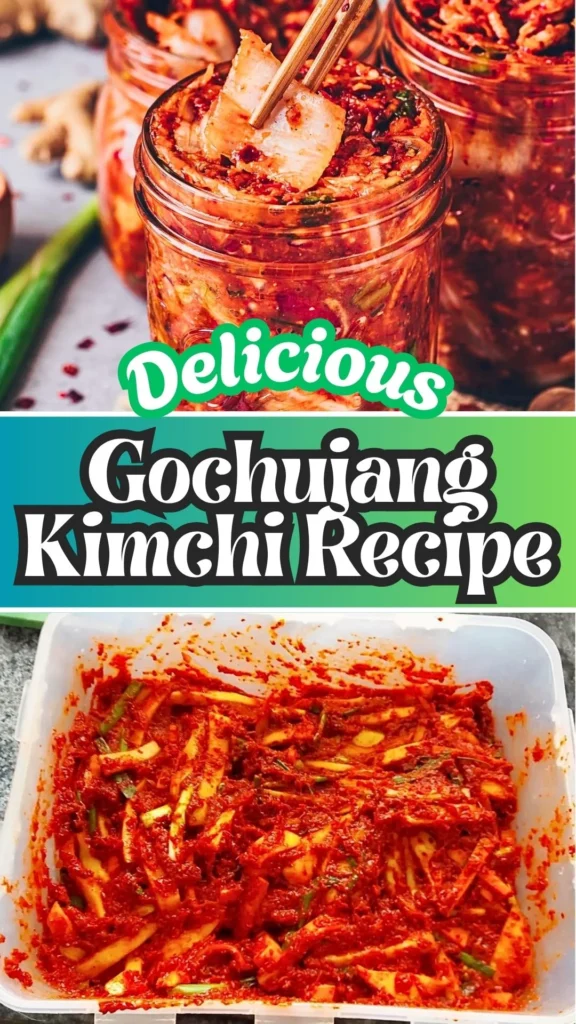
The gochujang paste brings robust umami notes with fermented soybean depth, while garlic and ginger add aromatic pungency. Fresh cabbage provides crisp, refreshing crunch that softens slightly as fermentation progresses. Unlike traditional gochugaru-based kimchi with bright, sharp heat, this version has mellower, rounder spiciness.
The longer it ferments, the more pronounced the sour, funky notes become-characteristic of well-aged kimchi that’s perfect for stews, fried rice, or eating straight from the jar.
Gochujang Kimchi Recipe Ingredients
For the Cabbage
- 1 large Napa cabbage (baechu, about 1-1.5 kg / 2-3 lbs), cut into bite-sized pieces (2-inch squares)
- 2-3 tablespoons coarse sea salt or kosher salt (non-iodized, for brining)
For the Kimchi Paste/Seasoning
- 1/4 to 1/3 cup (about 60-80g) gochujang (Korean red chili paste)
- 4-6 garlic cloves, minced or blended
- 1-2 tablespoons fresh ginger, grated or minced
- 1-2 tablespoons sugar (or rice syrup/agave for vegan)
- 1/4 cup water (or more to thin the paste)
- 2-4 green onions/scallions, chopped into 1-2 inch pieces
Optional Add-ins
- 1 small carrot, julienned
- 1/2 small daikon radish, julienned
- 1/2 onion, blended or sliced
- Sesame seeds
- Pinch of MSG (optional)
Kitchen Utensils
- Large mixing bowls (2-3)
- Colander for draining
- Kitchen gloves (gochujang stains!)
- Glass jars or fermentation containers with lids
- Measuring cups and spoons
- Grater for ginger
- Sharp knife and cutting board
Preparation and Cooking Time
Prep time: 20 minutes
Brining time: 1.5-3 hours
Fermentation time: 1-2 days (room temperature)
Total active time: 40 minutes
Servings: 4-6 servings (about 1 liter/quart)
How to Make Gochujang Kimchi
Step 1: Prepare and Brine the Cabbage
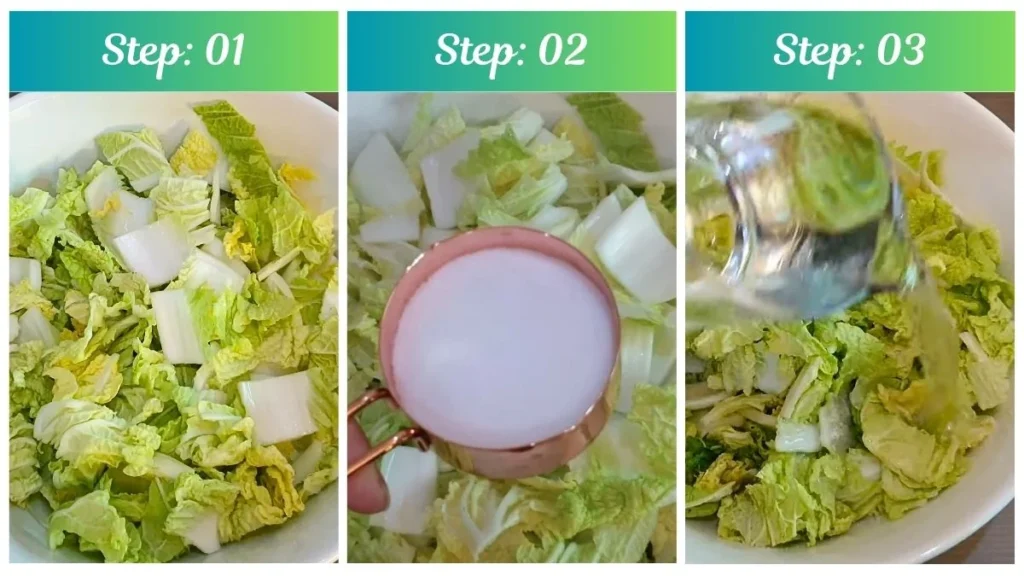
Cut the Napa cabbage into quarters lengthwise, then chop into bite-sized pieces (approximately 2-inch squares). Rinse thoroughly under cold water. Place cabbage in a large bowl and sprinkle salt evenly over all the leaves, focusing especially on the thicker white stem portions. Toss well to ensure even coating. Let sit at room temperature for 1.5-3 hours (typically 2 hours works well), tossing every 30-40 minutes. The cabbage will wilt significantly and release water-this brining process is crucial for proper fermentation.
Step 2: Rinse and Drain Thoroughly
After brining, rinse the salted cabbage 2-3 times under cold running water to remove excess salt. Taste a piece-it should be pleasantly salty but not overwhelming. Place in a colander and let drain for 20-30 minutes, gently squeezing out excess moisture. This step prevents watery kimchi and ensures the paste adheres properly.
Step 3: Make the Gochujang Seasoning Paste
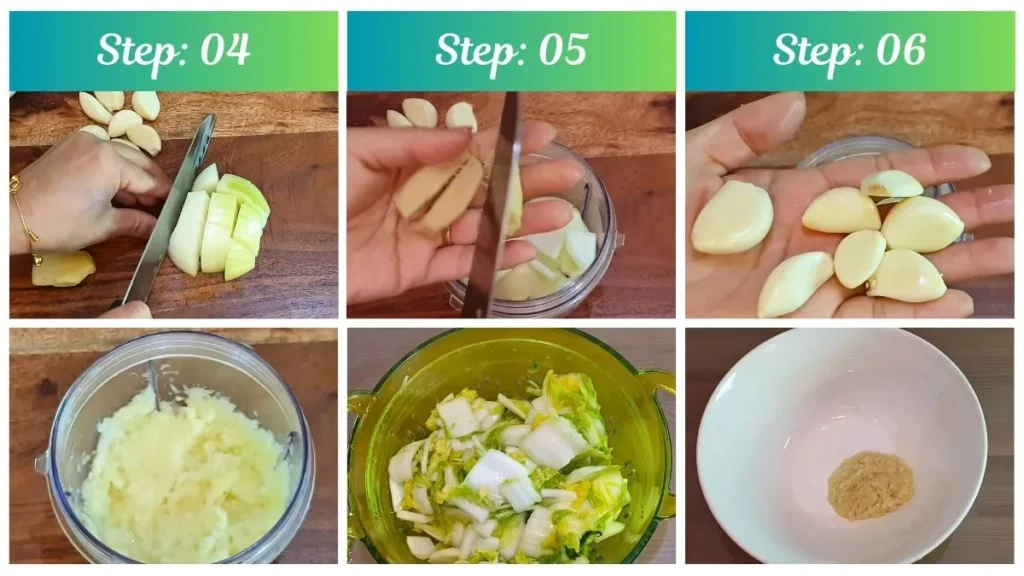
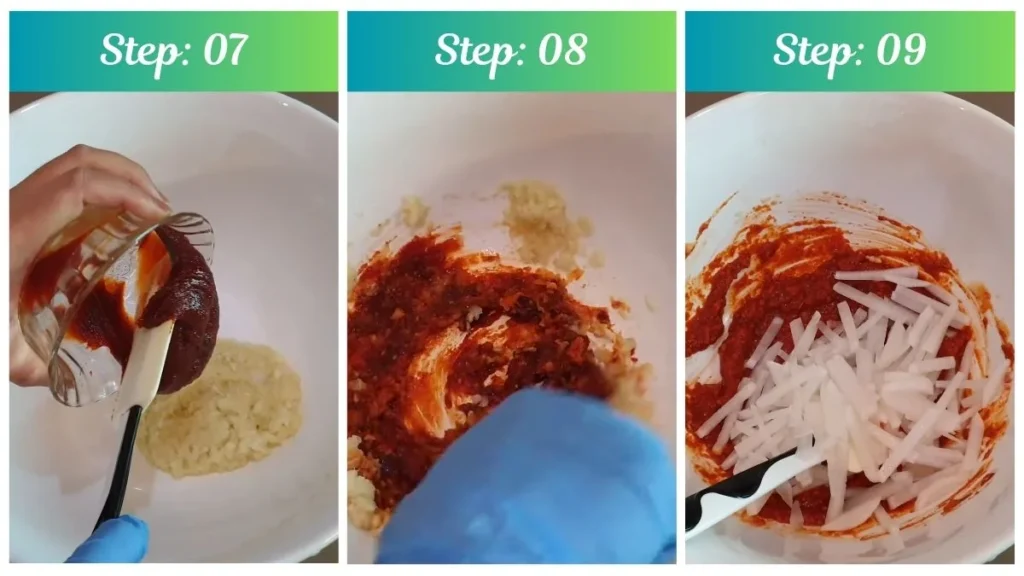
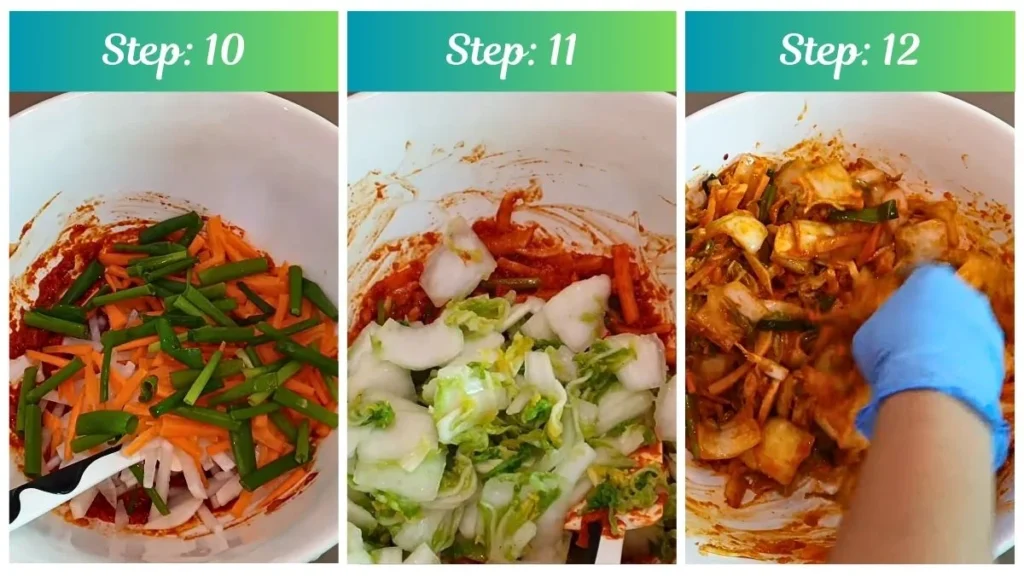
In a medium bowl, combine gochujang, minced garlic, grated ginger, sugar, and water. Mix until you achieve a smooth, spreadable consistency (similar to thick barbecue sauce). For an ultra-smooth paste, blend the garlic, ginger, onion (if using), and water together first, then stir into the gochujang. Fold in chopped green onions and any optional vegetables like julienned carrots or daikon radish.
Step 4: Coat the Cabbage
Put on kitchen gloves-gochujang can stain and irritate skin! Add the well-drained cabbage to the seasoning paste in a large bowl. Using your hands, massage and toss thoroughly for 3-5 minutes, ensuring every single piece is evenly coated with the vibrant red paste. Taste and adjust seasoning: add more gochujang for heat, salt for savory depth, or sugar to balance spiciness.
Step 5: Pack and Begin Fermentation
Transfer the coated kimchi into clean glass jars or a fermentation container, pressing down firmly to eliminate air pockets and ensure vegetables are submerged in their own liquid. Leave 1-2 inches of headspace at the top as gases will expand during fermentation. Seal loosely (or use a fermentation airlock lid if available). Place in a cool spot away from direct sunlight. Let ferment at room temperature for 1-2 days for mild tanginess, or 3-5 days for stronger sour flavor. Taste daily after the first 24 hours.
Step 6: Refrigerate and Enjoy
Once your gochujang kimchi reaches your preferred level of sourness and funk, transfer to the refrigerator. Cold storage dramatically slows fermentation while allowing flavors to continue developing. The kimchi will keep for several weeks to months-many find it tastes even better after aging in the fridge for 1-2 weeks.
Customization and Pairing Ideas for Serving
1. Protein-Boosted Kimchi Fried Rice
Transform your gochujang kimchi into a complete meal by stir-frying it with day-old rice, diced spam or bacon, and a fried egg on top. The fermented tanginess cuts through rich proteins beautifully while adding probiotic benefits.
2. Kimchi Jjigae (Korean Stew) Enhancement
Use well-fermented gochujang kimchi (aged 2+ weeks) as the base for kimchi stew. The deeper fermentation creates more complex, sour notes that are essential for authentic jjigae. Add tofu, pork belly, or tuna for protein variations.
3. Fusion Taco Topping
Bridge Korean and Mexican cuisines by using this kimchi as a tangy, spicy topping for tacos. It pairs exceptionally well with grilled meats, fish tacos, or Korean BBQ-style fillings. The acidity brightens heavy dishes while adding textural contrast.
4. Grilled Cheese Kimchi Melt
Elevate the classic grilled cheese sandwich by adding a generous layer of gochujang kimchi between sharp cheddar or gruyère. The fermented vegetables cut through cheese’s richness while creating an addictive sweet-spicy-tangy flavor bomb.
5. Ramen and Noodle Bowl Enhancer
Top instant ramen, udon, or rice noodles with a heaping spoonful of this kimchi. It adds depth, probiotics, and vegetable nutrition to simple noodle dishes. The fermented notes complement miso-based or bone broths particularly well.
6. Banchan (Side Dish) Variety
Serve gochujang kimchi as part of a traditional Korean banchan spread alongside other small plates like cucumber salad, seasoned spinach, and pickled radish. This creates a balanced meal with multiple fermented elements that aid digestion.

7. Kimchi Pancake (Kimchijeon) Base
Chop fermented gochujang kimchi finely and mix into savory pancake batter with scallions and seafood. Pan-fry until crispy for a popular Korean snack or appetizer that showcases fermented flavors in a new textural form.
Essential Tips for Perfect Gochujang Kimchi Recipe
1. Choose the Right Cabbage Quality
Select Napa cabbage heads that feel heavy for their size with tightly packed, crisp leaves. Avoid cabbages with brown spots, wilted outer leaves, or separation at the base. Fresh, high-quality cabbage is fundamental-it contains the natural bacteria needed for successful fermentation and provides the ideal crunchy texture.
2. Non-Iodized Salt is Non-Negotiable
Always use coarse sea salt or kosher salt without iodine. Iodized table salt inhibits beneficial bacteria growth and can result in failed fermentation or off-flavors. The salt draws moisture from cabbage through osmosis, creating the brine that protects kimchi during fermentation while seasoning vegetables.
3. Master the Paste Consistency
Your gochujang paste should be thick enough to cling to cabbage leaves but spreadable-not clumpy or runny. Too thick and it won’t distribute evenly; too watery and it slides off, creating bland spots. Adjust water content gradually, adding just a tablespoon at a time until you achieve spreadable barbecue sauce texture.
4. Temperature Controls Fermentation Speed
Room temperature between 65-75°F (18-24°C) is ideal for controlled fermentation. Warmer environments speed up the process but can create overly sour, mushy kimchi. Cooler spaces slow fermentation, giving you more control. In hot climates, ferment for just 12-24 hours, then refrigerate; in cold environments, extend to 3-4 days.
5. Taste Test Throughout Fermentation
Check your kimchi daily after the first 24 hours. Open the lid, press down vegetables to release gases, and taste a piece. This helps you catch the perfect balance of crunch, tang, and funk before it over-ferments. Everyone’s preference differs-some love fresh, crunchy kimchi while others prefer deeply soured, soft vegetables.
6. Sanitation Prevents Mold Growth
While kimchi fermentation is forgiving, proper sanitation reduces contamination risk. Wash jars with hot, soapy water and rinse thoroughly. Ensure your hands, utensils, and work surfaces are clean. The salt brine and acidic environment naturally inhibit harmful bacteria, but starting clean gives beneficial lactobacilli the best chance to dominate.
7. Adjust Gochujang Amount for Heat Tolerance
Start with 1/4 cup gochujang if you’re sensitive to spice or new to Korean flavors. You can always add more during mixing, but you can’t remove it. For authentic Korean heat levels, use 1/3 cup or slightly more. Remember that gochujang’s spiciness varies by brand-taste your paste before committing to the full amount.
Storage and Reheating Guidance
Store gochujang kimchi in airtight glass containers in the refrigerator where it will keep for 3-6 months. The flavor continues developing and souring over time. No reheating is needed-kimchi is traditionally enjoyed cold or at room temperature, though it can be cooked into hot dishes like stews and fried rice.
Gochujang Kimchi Recipe
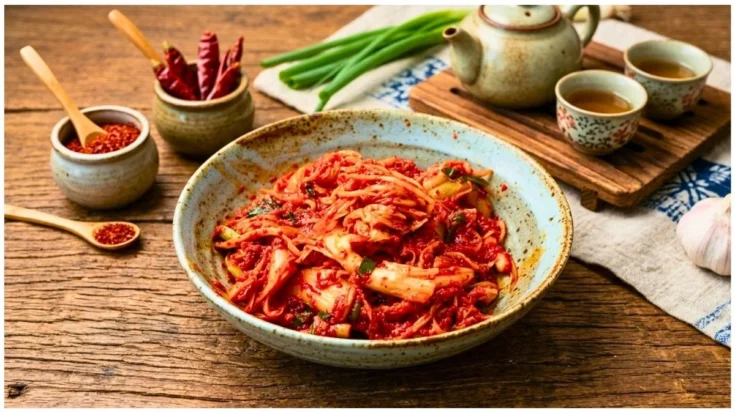
Looking for an easier way to make authentic Korean kimchi at home? This gochujang kimchi recipe streamlines the traditional fermentation process by using gochujang (Korean red chili paste) as the flavor base.
Ingredients
- 1 large Napa cabbage (baechu, about 1-1.5 kg / 2-3 lbs), cut into bite-sized pieces
- 2-3 tablespoons coarse sea salt or kosher salt
- 1/4 to 1/3 cup (about 60-80g) gochujang
- 4-6 garlic cloves, minced or blended
- 1-2 tablespoons fresh ginger, grated or minced
- 1-2 tablespoons sugar
- 1/4 cup water
- 2-4 green onions/scallions, chopped into 1-2 inch pieces
- 1 small carrot, julienned
- 1/2 small daikon radish, julienned
- 1/2 onion, blended or sliced
- Sesame seeds
- Pinch of MSG
Instructions
Step 1: Prepare and Brine the Cabbage
Cut the Napa cabbage into quarters lengthwise, then chop into bite-sized pieces (approximately 2-inch squares). Rinse thoroughly under cold water. Place cabbage in a large bowl and sprinkle salt evenly over all the leaves, focusing especially on the thicker white stem portions. Toss well to ensure even coating. Let sit at room temperature for 1.5-3 hours (typically 2 hours works well), tossing every 30-40 minutes. The cabbage will wilt significantly and release water-this brining process is crucial for proper fermentation.
Step 2: Rinse and Drain Thoroughly
After brining, rinse the salted cabbage 2-3 times under cold running water to remove excess salt. Taste a piece-it should be pleasantly salty but not overwhelming. Place in a colander and let drain for 20-30 minutes, gently squeezing out excess moisture. This step prevents watery kimchi and ensures the paste adheres properly.
Step 3: Make the Gochujang Seasoning Paste
In a medium bowl, combine gochujang, minced garlic, grated ginger, sugar, and water. Mix until you achieve a smooth, spreadable consistency (similar to thick barbecue sauce). For an ultra-smooth paste, blend the garlic, ginger, onion (if using), and water together first, then stir into the gochujang. Fold in chopped green onions and any optional vegetables like julienned carrots or daikon radish.
Step 4: Coat the Cabbage
Put on kitchen gloves-gochujang can stain and irritate skin! Add the well-drained cabbage to the seasoning paste in a large bowl. Using your hands, massage and toss thoroughly for 3-5 minutes, ensuring every single piece is evenly coated with the vibrant red paste. Taste and adjust seasoning: add more gochujang for heat, salt for savory depth, or sugar to balance spiciness.
Step 5: Pack and Begin Fermentation
Transfer the coated kimchi into clean glass jars or a fermentation container, pressing down firmly to eliminate air pockets and ensure vegetables are submerged in their own liquid. Leave 1-2 inches of headspace at the top as gases will expand during fermentation. Seal loosely (or use a fermentation airlock lid if available). Place in a cool spot away from direct sunlight. Let ferment at room temperature for 1-2 days for mild tanginess, or 3-5 days for stronger sour flavor. Taste daily after the first 24 hours.
Step 6: Refrigerate and Enjoy
Once your gochujang kimchi reaches your preferred level of sourness and funk, transfer to the refrigerator. Cold storage dramatically slows fermentation while allowing flavors to continue developing. The kimchi will keep for several weeks to months-many find it tastes even better after aging in the fridge for 1-2 weeks.
Nutrition Information:
Yield:
6Serving Size:
1Amount Per Serving: Calories: 80
Common Queries and FAQs
When you give this Gochujang Kimchi Recipe a try, you might have a few questions. Don’t worry-we’ve rounded up answers to the most common ones to help you out.
Can I use regular chili paste instead of gochujang?
Gochujang is essential for authentic flavor-it contains fermented soybeans, glutinous rice, and specific Korean chili peppers that create its unique sweet-savory-spicy profile. Substitutes like sriracha or sambal oelek lack the fermented depth and will produce different results, though they can work in a pinch if you add miso paste for umami.
How do I know when my kimchi has fermented enough?
Kimchi is ready when it develops a pleasantly tangy, sour aroma and the cabbage softens slightly while retaining some crunch. Bubbles may appear, and the liquid becomes slightly cloudy-these are positive signs of active fermentation. Taste daily; when you enjoy the balance of salt, spice, and sourness, refrigerate it.
Why is my kimchi too salty or not salty enough?
Salt balance depends on proper rinsing after brining. If too salty, you didn’t rinse enough-soak briefly in cold water and drain again. If too bland, the cabbage wasn’t salted adequately during brining or you over-rinsed. Salt is crucial for fermentation and preservation, so aim for pleasantly salty (like a potato chip) after rinsing.
Is it normal for kimchi to smell strong?
Yes! Fermented foods develop pungent, funky aromas-this is completely normal and indicates healthy bacterial activity. The smell intensifies as kimchi ages. If it smells rotten, putrid, or like ammonia (different from fermented funk), or if you see fuzzy mold, discard it. Typical kimchi smell is sour, garlicky, and sharply fermented.
Can I make this kimchi vegan?
This gochujang kimchi recipe is naturally vegan-friendly since it doesn’t use fish sauce or shrimp paste (common in traditional recipes). Ensure your gochujang brand doesn’t contain anchovy extract-check labels. Use agave or maple syrup instead of honey if you’re strictly plant-based.
What if I don’t have Napa cabbage?
While Napa cabbage (baechu) is traditional and provides the ideal texture, you can substitute green cabbage, bok choy, or even radishes. Keep in mind that different vegetables have varying water content and texture, which affects brining time and final crunch. Green cabbage is denser and may need longer salting.
How do I reduce the spiciness after it’s made?
If your finished kimchi is too spicy, you can’t remove heat entirely, but you can temper it. Mix in more chopped fresh Napa cabbage (lightly salted and rinsed) to dilute the paste. Alternatively, rinse the kimchi briefly under cold water before serving-you’ll lose some flavor but reduce burn. Serve with cooling accompaniments like plain rice or yogurt-based sauces.
This gochujang kimchi recipe offers an accessible gateway to homemade Korean fermentation without requiring extensive specialty ingredients. The gochujang paste simplifies seasoning while delivering authentic, complex flavors-umami-rich, pleasantly spicy, and increasingly tangy as it ferments.
Whether you’re meal-prepping probiotic side dishes, exploring Korean cuisine, or seeking ways to preserve seasonal vegetables, mastering how to make gochujang kimchi expands your culinary repertoire. The forgiving fermentation process rewards experimentation, and each batch teaches you more about balancing salt, spice, and sourness to your personal taste preferences.
We’d love to hear how this recipe turns out for you! Give it a try, then drop a comment below to share your thoughts and tips with us. You can also follow us on Pinterest, and YouTube for more delicious updates and kitchen inspiration. Your feedback and support mean the world to us!