
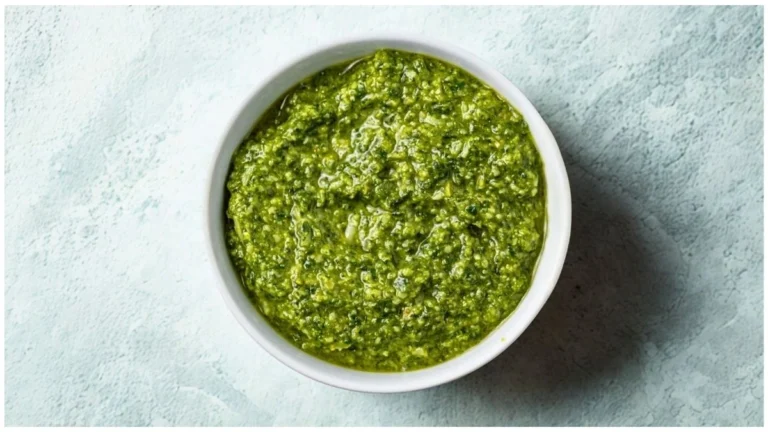

Are you craving the vibrant, herbaceous taste of homemade pesto but don’t have pine nuts on hand? This pesto without pine nuts recipe delivers all the classic Italian flavor you love without the expensive nuts.
Whether you’re dealing with allergies, watching your budget, or simply ran out of pine nuts, this simplified version proves that authentic-tasting pesto doesn’t require a specialty ingredient.
Learning how to make pesto without pine nuts opens up a world of possibilities, giving you a versatile green sauce that’s perfect for pasta, sandwiches, pizzas, and so much more. This nut-free pesto comes together in just minutes with fresh basil, quality Parmesan, garlic, and olive oil.
What Does Pesto Without Pine Nuts Taste Like?
This pesto without pine nuts offers a bright, aromatic flavor profile that’s both fresh and savory. The sweet, peppery notes of fresh basil take center stage, complemented by the sharp, umami-rich taste of Parmesan cheese.
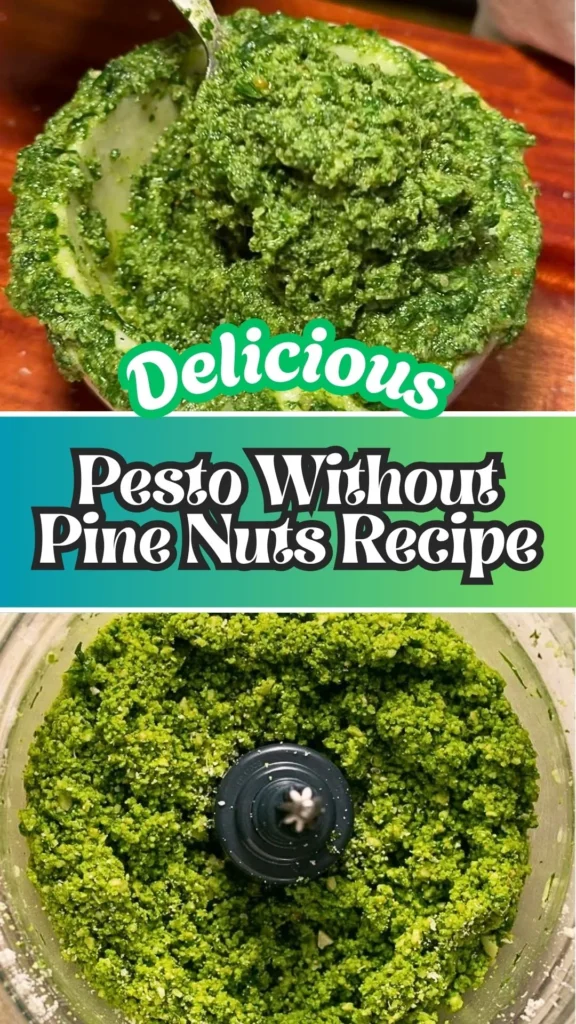
Garlic adds a pleasant pungency that mellows into the olive oil’s smooth, fruity richness. Without pine nuts, the sauce has a lighter, more herbaceous character-less buttery and nutty, but equally delicious.
The texture is silky and spreadable, coating pasta beautifully or acting as a vibrant condiment. You’ll notice the basil’s natural sweetness shines through more prominently, creating a clean, garden-fresh taste.
Pesto Without Pine Nuts Recipe Ingredients
- 2 cups fresh basil leaves (packed, about 40–50g, stems removed)
- ⅓ cup freshly grated Parmesan cheese (about 30g)
- 2–3 garlic cloves (peeled)
- ½ cup extra virgin olive oil (120ml)
- ¼–½ tsp salt (to taste)
- Optional: Black pepper or a squeeze of lemon juice for brightness
Kitchen Utensils:
- Food processor or blender
- Measuring cups and spoons
- Rubber spatula
- Airtight container for storage
- Colander (for washing basil)
- Paper towels or clean kitchen towel
Preparation and Cooking Time
Prep Time: 5 minutes
Cook Time: 0 minutes
Total Time: 5 minutes
Servings: Makes about 1 cup (enough for 4–6 servings of pasta)
Pesto Without Pine Nuts Recipe Instructions
Step 1: Prepare the Basil
Gently wash the fresh basil leaves under cool running water to remove any dirt or debris. Pat them completely dry using paper towels or a clean kitchen towel-this step is crucial as excess moisture can make your pesto watery and reduce its shelf life. Remove any thick or woody stems, keeping only the tender leaves.
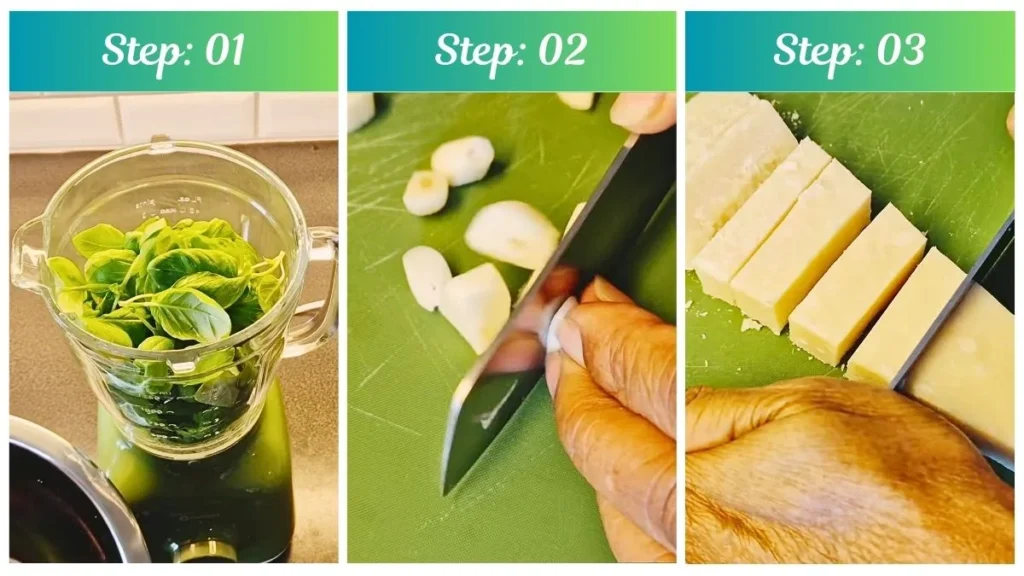
Step 2: Add Ingredients to Food Processor
Place the dried basil leaves, freshly grated Parmesan cheese, and peeled garlic cloves into your food processor or high-powered blender. Starting with these ingredients first helps them break down more efficiently.
Step 3: Pulse to Chop
Pulse the mixture 8–10 times in short bursts until the basil is finely chopped and the ingredients begin to combine. You’ll see the basil breaking down into smaller pieces and mixing with the cheese and garlic. Scrape down the sides of the bowl with a rubber spatula to ensure everything gets processed evenly.
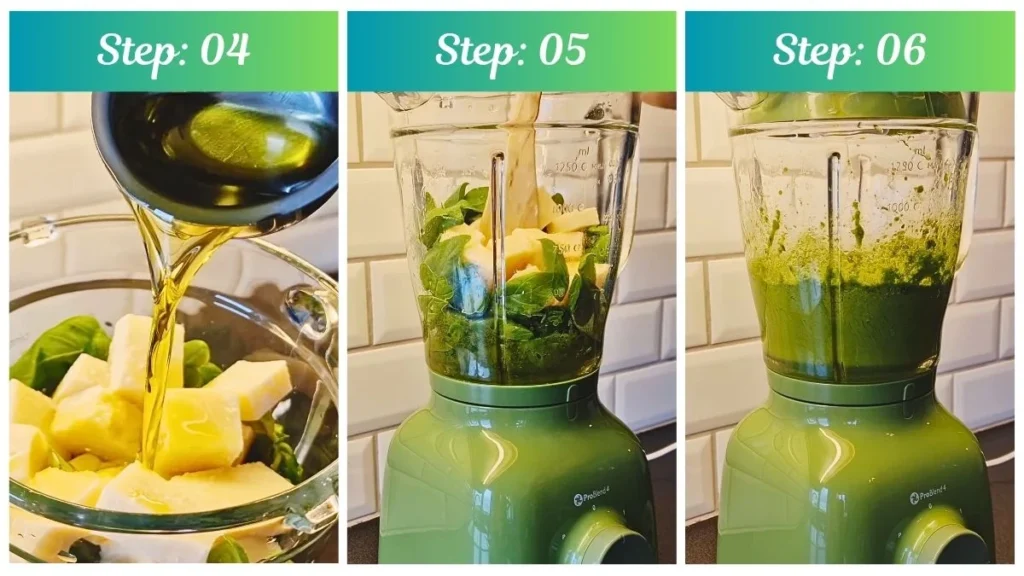
Step 4: Drizzle in the Olive Oil
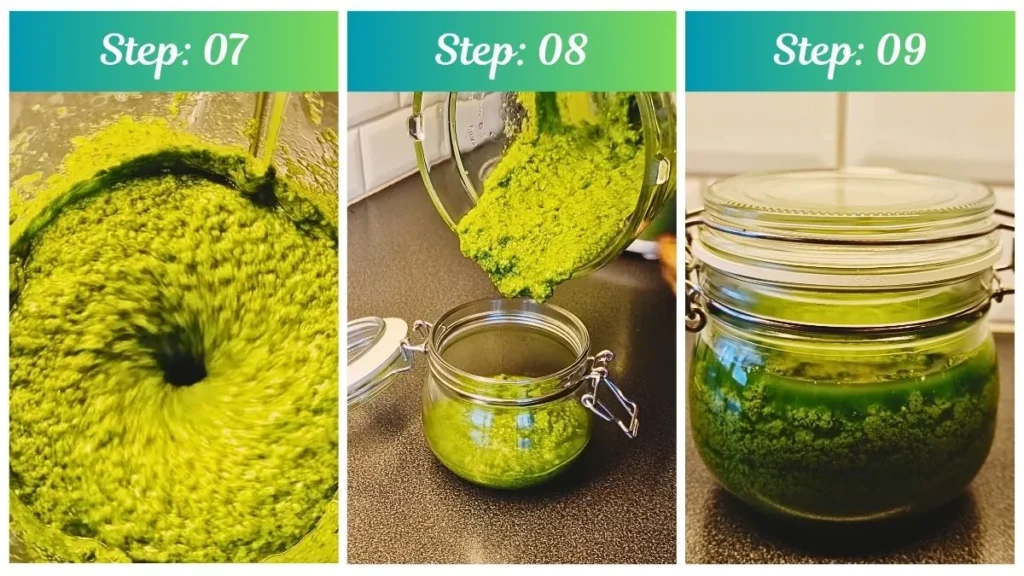
Turn the food processor on to a continuous low setting. Slowly drizzle the extra virgin olive oil through the feed tube in a steady stream. This gradual addition creates an emulsified, smooth consistency. Continue processing until you achieve a vibrant green sauce that’s thick but pourable-you may not need all the oil depending on your desired texture.
Step 5: Season to Taste
Stop the processor and taste your pesto. Add salt gradually, starting with ¼ teaspoon, along with optional black pepper or a small squeeze of lemon juice for added brightness. Pulse briefly 2–3 times to incorporate the seasonings evenly throughout.
Step 6: Serve or Store
Your pine nut-free pesto is now ready to use! Toss it with hot pasta, spread it on sandwiches, or use it as a dip. If storing, transfer to an airtight container and smooth the top, then pour a thin layer of olive oil over the surface to prevent oxidation and browning.
Customization and Pairing Ideas for Serving
1. Classic Pesto Pasta
Toss your freshly made pesto with al dente spaghetti, linguine, or penne. Add a splash of reserved pasta water to help the sauce coat every strand. Finish with extra Parmesan shavings and cherry tomatoes for a restaurant-quality meal in minutes.
2. Grilled Chicken or Fish Topping
Spoon this vibrant green sauce over grilled chicken breasts, salmon fillets, or white fish like cod or halibut. The fresh basil flavor cuts through the richness of the protein beautifully, adding moisture and Mediterranean flair to simple grilled dishes.
3. Pizza and Flatbread Base
Replace traditional tomato sauce with this pesto without pine nuts on homemade pizzas or store-bought flatbreads. Top with mozzarella, sun-dried tomatoes, artichoke hearts, and arugula for a gourmet twist that rivals any pizzeria.
4. Caprese Sandwich Enhancement
Upgrade your caprese sandwich by spreading this pesto on crusty ciabatta or sourdough bread. Layer with thick tomato slices, fresh mozzarella, and more basil leaves. The pesto acts as both condiment and flavor amplifier.
5. Roasted Vegetable Drizzle
After roasting zucchini, bell peppers, eggplant, or cauliflower, drizzle them generously with this basil pesto. The sauce adds a fresh, herbaceous note that complements the caramelized sweetness of roasted vegetables perfectly.
6. Soup Swirl
Swirl a spoonful into minestrone, tomato soup, or white bean soup just before serving. The pesto adds visual appeal and a burst of fresh flavor that elevates simple soups into something special.
7. Breakfast Egg Booster
Stir a teaspoon into scrambled eggs, dollop on top of fried eggs, or mix into an omelet filling. The combination of eggs and basil pesto creates a savory breakfast that feels both indulgent and wholesome.
Essential Tips for Perfect Pine Nut-Free Pesto Recipe
1. Choose the Freshest Basil Possible
The quality of your basil directly impacts your pesto’s flavor. Look for bright green leaves without dark spots, yellowing, or wilting. Farmers’ market basil or homegrown herbs offer the most vibrant taste. If your basil seems slightly wilted, revive it by placing the stems in cold water for 30 minutes before use.
2. Dry Basil Thoroughly
This cannot be emphasized enough-wet basil will dilute your pesto and introduce moisture that promotes faster spoilage. After washing, use a salad spinner or gently pat each leaf dry with paper towels. Even small amounts of water can affect the final consistency and shelf life.
3. Use High-Quality Extra Virgin Olive Oil
Since olive oil is a primary ingredient, its flavor matters tremendously. Choose a fruity, robust extra virgin olive oil that you’d enjoy tasting on its own. Avoid refined or “light” olive oils, as they lack the depth and character needed for authentic pesto flavor.
4. Adjust Garlic to Your Preference
Garlic intensity is personal-start with 2 cloves for milder pesto or use 3–4 for a more assertive garlic punch. Remember that raw garlic becomes more pungent over time, so if making pesto ahead, you might want to be conservative with the amount.
5. Don’t Over-Process
Pulse rather than continuously blend to maintain texture and prevent the pesto from becoming too warm (which can darken the basil). The goal is a slightly rustic consistency with small flecks of basil visible, not a completely smooth puree. Over-processing also creates heat that can cook the basil slightly, affecting color and flavor.
6. Add Lemon Juice for Brightness and Color Preservation
A small squeeze of fresh lemon juice (about ½ teaspoon) does double duty: it brightens the flavors and helps maintain that vibrant green color longer by slowing oxidation. The acidity balances the richness of the oil and cheese beautifully.
7. Make Extra and Freeze in Portions
This pesto without pine nuts recipe freezes exceptionally well. Spoon it into ice cube trays, freeze until solid, then pop the cubes into a freezer-safe bag. Each cube equals about 2 tablespoons-perfect for single servings. You can also freeze in small mason jars, leaving headspace for expansion.
Storage and Reheating Guidance
Store your pine nut-free pesto in an airtight container in the refrigerator for up to one week. Pour a thin layer of olive oil over the surface before sealing to prevent oxidation and browning. For longer storage, freeze in ice cube trays or small containers for up to 3 months-thaw overnight in the fridge before using. Pesto doesn’t require reheating; simply bring to room temperature before tossing with hot pasta.
Pesto Without Pine Nuts Recipe
Are you craving the vibrant, herbaceous taste of homemade pesto but don’t have pine nuts on hand? This pesto without pine nuts recipe delivers all the classic Italian flavor you love without the expensive nuts.
Ingredients
- 2 cups fresh basil leaves (packed, about 40–50g, stems removed)
- ⅓ cup freshly grated Parmesan cheese (about 30g)
- 2–3 garlic cloves (peeled)
- ½ cup extra virgin olive oil (120ml)
- ¼–½ tsp salt (to taste)
- Optional: Black pepper or a squeeze of lemon juice for brightness
Instructions
Step 1: Prepare the Basil
Gently wash the fresh basil leaves under cool running water to remove any dirt or debris. Pat them completely dry using paper towels or a clean kitchen towel-this step is crucial as excess moisture can make your pesto watery and reduce its shelf life. Remove any thick or woody stems, keeping only the tender leaves.
Step 2: Add Ingredients to Food Processor
Place the dried basil leaves, freshly grated Parmesan cheese, and peeled garlic cloves into your food processor or high-powered blender. Starting with these ingredients first helps them break down more efficiently.
Step 3: Pulse to Chop
Pulse the mixture 8–10 times in short bursts until the basil is finely chopped and the ingredients begin to combine. You’ll see the basil breaking down into smaller pieces and mixing with the cheese and garlic. Scrape down the sides of the bowl with a rubber spatula to ensure everything gets processed evenly.
Step 4: Drizzle in the Olive Oil
Turn the food processor on to a continuous low setting. Slowly drizzle the extra virgin olive oil through the feed tube in a steady stream. This gradual addition creates an emulsified, smooth consistency. Continue processing until you achieve a vibrant green sauce that’s thick but pourable-you may not need all the oil depending on your desired texture.
Step 5: Season to Taste
Stop the processor and taste your pesto. Add salt gradually, starting with ¼ teaspoon, along with optional black pepper or a small squeeze of lemon juice for added brightness. Pulse briefly 2–3 times to incorporate the seasonings evenly throughout.
Step 6: Serve or Store
Your pine nut-free pesto is now ready to use! Toss it with hot pasta, spread it on sandwiches, or use it as a dip. If storing, transfer to an airtight container and smooth the top, then pour a thin layer of olive oil over the surface to prevent oxidation and browning.
Notes
Store your pine nut-free pesto in an airtight container in the refrigerator for up to one week. Pour a thin layer of olive oil over the surface before sealing to prevent oxidation and browning. For longer storage, freeze in ice cube trays or small containers for up to 3 months-thaw overnight in the fridge before using. Pesto doesn’t require reheating; simply bring to room temperature before tossing with hot pasta.
Nutrition Information:
Yield:
6Serving Size:
1Amount Per Serving: Calories: 120
Common Queries and FAQs
When you give this Pesto Without Pine Nuts Recipe a try, you might have a few questions. Don’t worry-we’ve rounded up answers to the most common ones to help you out.
Can I substitute the Parmesan cheese in this pesto?
Yes! For a vegetarian option using traditional rennet-free cheese, try Pecorino Romano, aged Asiago, or Grana Padano. For dairy-free pesto, nutritional yeast provides a cheesy, umami flavor, though the texture will be slightly different. Use about 3–4 tablespoons of nutritional yeast to replace the Parmesan.
Why is my pesto bitter?
Bitterness usually comes from over-processing the basil or using basil that’s past its prime. When basil leaves are blended too long, they heat up and release bitter compounds. Pulse gently and briefly. Additionally, very mature basil or certain varieties can have a bitter edge-younger, tender leaves work best.
Can I add nuts if I want more texture?
Absolutely! While this is specifically a pesto without pine nuts, you can add walnuts, almonds, cashews, or even sunflower seeds for a different flavor profile and added creaminess. Toast them lightly first for enhanced flavor, then add with the basil in step 2.
How do I prevent my pesto from turning brown?
Oxidation causes browning. Minimize this by: 1) blanching basil briefly in boiling water, then shocking in ice water before processing, 2) covering the surface with olive oil, 3) adding lemon juice, and 4) storing in an airtight container with minimal air exposure. Some browning is natural and doesn’t affect taste.
What’s the best way to use frozen pesto?
Thaw pesto cubes directly in your hot pasta water, or let them come to room temperature for spreading and dipping. You can also add frozen cubes directly to soups or sauces-they’ll melt quickly. Avoid microwaving as it can separate the oil and alter the texture.
Can I make this pesto in advance for a party?
Yes! This how to make pesto without pine nuts approach is perfect for meal prep. Make it up to 2 days ahead for optimal freshness and color. If serving as a dip, wait until just before your guests arrive to pour the protective olive oil layer on top and give it a quick stir.
Is this pesto recipe keto-friendly or low-carb?
Yes! This pine nut-free pesto is naturally low in carbohydrates, with most carbs coming from the garlic and basil (minimal amounts). It’s high in healthy fats from the olive oil, making it suitable for keto and low-carb diets when paired with zucchini noodles or shirataki pasta instead of traditional wheat pasta.
This pesto without pine nuts recipe proves that you don’t need expensive specialty nuts to create restaurant-quality Italian sauce at home. With just five simple ingredients and five minutes of your time, you can enjoy vibrant, fresh pesto that’s perfect for countless dishes.
The absence of pine nuts allows the basil’s pure, herbaceous flavor to shine while keeping this recipe accessible, affordable, and allergy-friendly. Whether you’re tossing it with pasta, spreading it on sandwiches, or using it as a versatile condiment, this simplified pesto delivers authentic taste without compromise. Make a batch today and discover how easy and delicious pesto without pine nuts can be!
We’d love to hear how this recipe turns out for you! Give it a try, then drop a comment below to share your thoughts and tips with us. You can also follow us on Pinterest, and YouTube for more delicious updates and kitchen inspiration. Your feedback and support mean the world to us!