
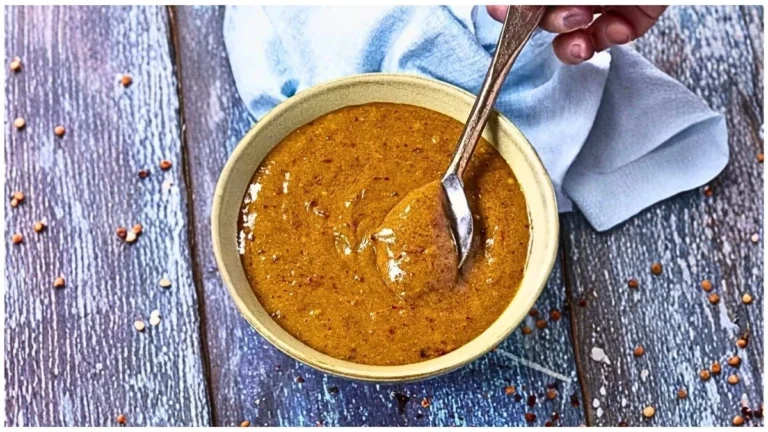

If you’ve ever grabbed a jar of trader joe’s thai peanut satay sauce and wished you could recreate that rich, creamy goodness at home, you’re in the right place.
This copycat trader joe’s thai peanut satay sauce recipe brings together the perfect balance of savory peanuts, aromatic curry pastes, and coconut creaminess that made the original so beloved. Making your own trader Joe’s peanut sauce means controlling the ingredients, adjusting sweetness to your liking, and always having this versatile condiment ready whenever cravings strike.
Whether you’re drizzling it over grilled chicken satay, dipping fresh spring rolls, or tossing it with noodles, this homemade version delivers authentic Thai flavors that rival any store-bought option.
What Does Trader Joe’s Thai Peanut Satay Sauce Taste Like?
This Thai peanut satay sauce from Trader Joe’s delivers a beautifully complex flavor profile that dances between sweet, savory, tangy, and subtly spicy notes.

The roasted peanuts provide a deep, nutty richness while coconut milk adds velvety smoothness and a hint of tropical sweetness. Red curry paste and Massaman curry bring warm spices like cumin, coriander, and cardamom alongside a gentle heat that tingles rather than burns.
Palm sugar contributes caramel-like sweetness, while tamarind paste adds fruity tartness that cuts through the richness. The result is a sauce that’s simultaneously comforting and exciting, with each spoonful offering layers of flavor that make it incredibly addictive and versatile for countless dishes.
Trader Joe’s Thai Peanut Satay Sauce Recipe Ingredients You’ll Need
For the Sauce Base:
- 400 ml coconut milk (full-fat works best for authentic creaminess)
- 25 g red curry paste (adds color and spicy depth)
- 25 g Massaman curry paste (brings warming spices and complexity)
For the Peanut Component:
- 1 cup raw peanuts, about 140–150 g (roasting them fresh makes all the difference)
Seasoning and Balance:
- 4 tablespoons palm sugar (or substitute brown sugar if needed)
- 1 tablespoon tamarind paste (essential for that signature tang)
- 1 teaspoon white vinegar (brightens the overall flavor)
- 1/2 teaspoon salt, or adjust to your preference
Kitchen Utensils You’ll Need
- Medium saucepan for cooking the sauce
- Dry pot or skillet for roasting peanuts
- Mortar and pestle or coffee grinder for crushing peanuts
- Wooden spoon or silicone spatula for stirring
- Measuring cups and spoons for accuracy
- Small bowl for setting aside ground peanuts
Preparation and Cooking Time
Prep Time: 10 minutes
Cook Time: 20-25 minutes
Total Time: 30-35 minutes
Servings: Makes approximately 2 cups of satay sauce (enough for 6-8 servings as a dipping sauce or 4 servings as a cooking sauce)
Step-by-Step Trader Joe’s Thai Peanut Satay Sauce Recipe Instructions
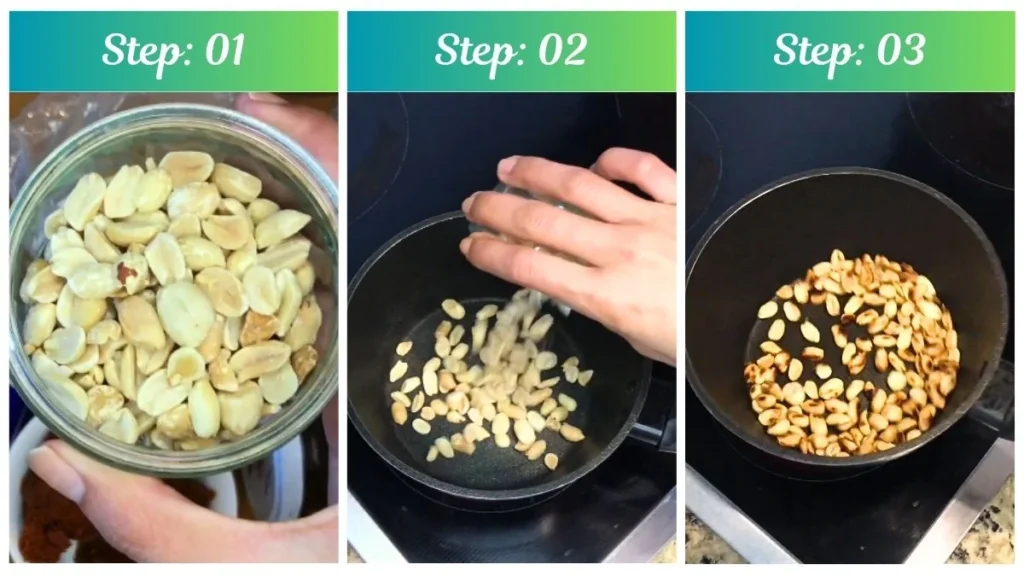
Step 1: Roast the Peanuts
Place the raw peanuts in a dry pot or skillet over medium heat. Keep stirring them continuously so they roast evenly and do not burn. Continue cooking for about 5 to 7 minutes, or until the peanuts turn golden brown and release a nutty aroma. Once roasted, remove them from the heat and let them cool for a few minutes. This roasting process is crucial for developing the deep, toasted flavor that makes this trader joes thai peanut satay sauce so irresistible.
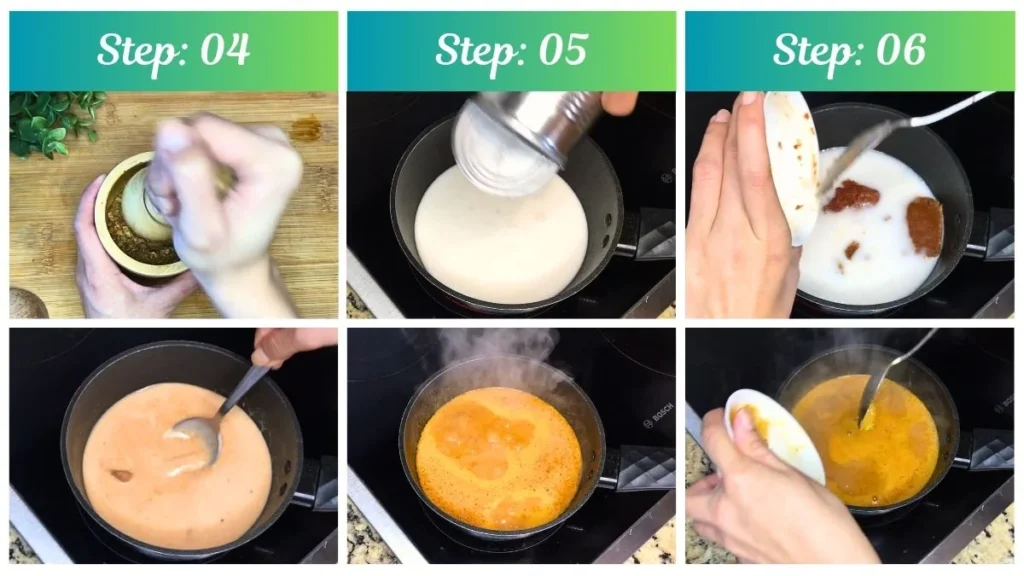
Step 2: Grind the Peanuts
Transfer the roasted peanuts to a mortar and pestle or a coffee grinder. Grind them until they reach a coarse texture rather than a fine powder, as a little texture gives the satay sauce a more authentic and rich consistency. The small chunks of peanut create pleasant textural contrast throughout the sauce. Set the ground peanuts aside while you prepare the sauce base.
Step 3: Prepare the Curry Base
Pour the coconut milk into a medium saucepan and place it over medium heat. Add the red curry paste and Massaman curry paste, then stir well. Use the back of a spoon to mash the curry pastes into the coconut milk, helping them dissolve smoothly. Keep stirring occasionally until the mixture becomes well blended and fragrant. You’ll notice the coconut milk taking on a beautiful orange-red hue as the curry pastes incorporate fully.
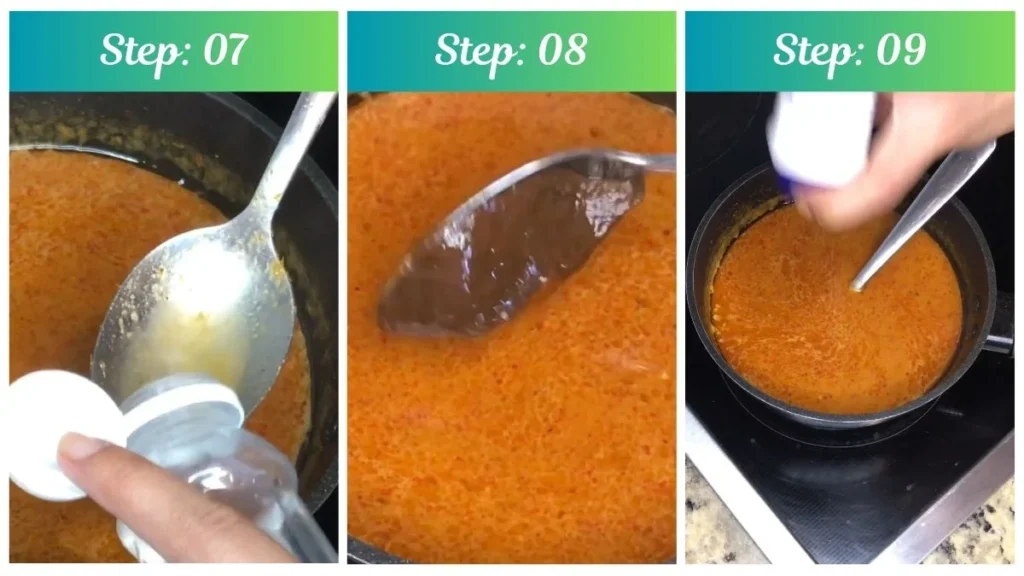
Step 4: Add the Seasonings
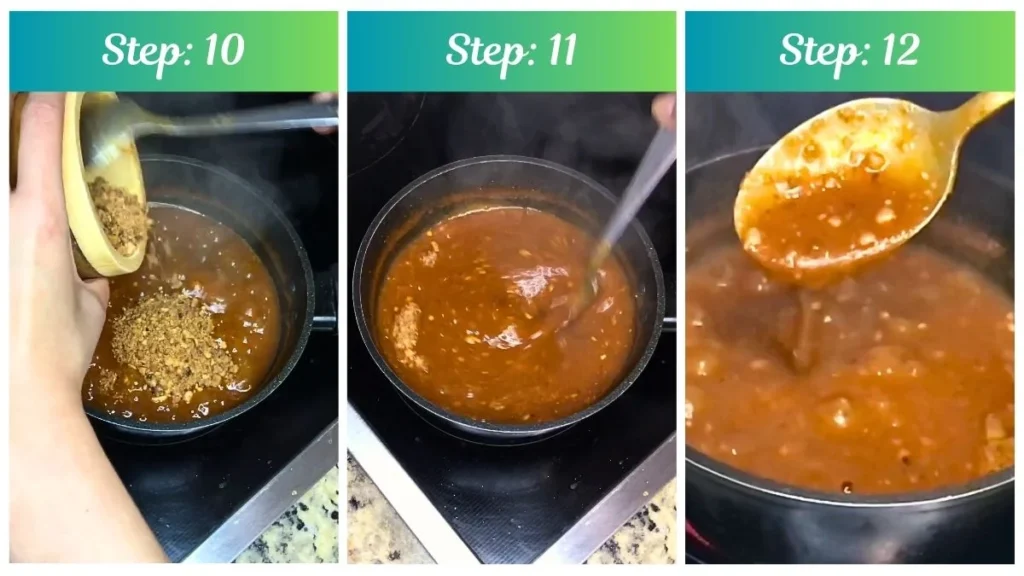
Stir in the palm sugar, tamarind paste, white vinegar, and salt. Continue stirring until the palm sugar fully melts into the sauce and all the ingredients are evenly combined. The sauce should begin to develop a rich, slightly sweet, tangy, and mildly spicy flavor. This is where the magic happens as all the distinct flavors start harmonizing together.
Step 5: Simmer Until Thick
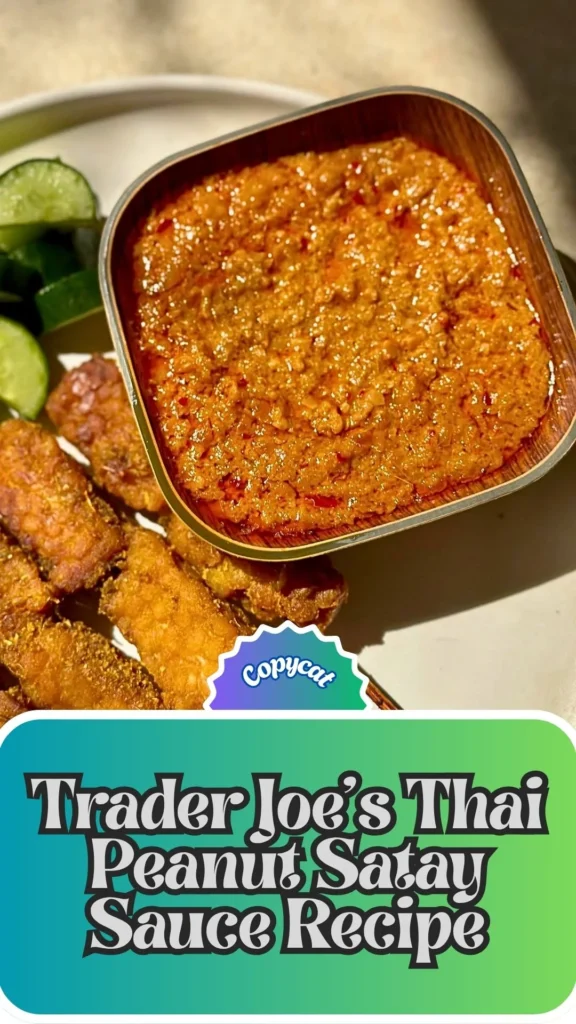
Add the ground peanuts to the saucepan and stir everything together until well combined. Let the sauce simmer over medium heat for 10 to 15 minutes, stirring from time to time, until it thickens into a creamy and smooth consistency. Once it becomes rich and luscious, remove it from the heat. Your homemade copycat trader joes thai peanut satay sauce recipe is now ready to serve warm with satay, spring rolls, fried tofu, or as a salad topping.
Customization and Pairing Ideas for Serving
1. Classic Chicken Satay Companion
Serve this Thai peanut satay sauce alongside grilled or broiled chicken skewers marinated in coconut milk, turmeric, and lemongrass. The creamy peanut sauce complements the charred, smoky flavor of properly cooked satay while adding moisture and richness to every bite. Garnish with crushed peanuts and fresh cilantro for restaurant-quality presentation.
2. Vietnamese Spring Roll Dipping Sauce
Transform your fresh Vietnamese spring rolls by pairing them with this trader joe’s peanut sauce instead of traditional fish sauce-based dips. The creamy texture clings beautifully to the rice paper wraps filled with shrimp, vermicelli noodles, herbs, and crunchy vegetables. Add a squeeze of lime juice to the sauce just before serving for extra brightness.
3. Noodle Bowl Game-Changer
Toss this satay sauce with warm rice noodles, soba noodles, or even spaghetti for a quick fusion meal. Add stir-fried vegetables like bell peppers, snap peas, and carrots, then top with grilled protein of choice. The sauce coats every strand of noodle, creating a satisfying meal that’s equally delicious served hot or as a cold noodle salad.
4. Buddha Bowl Drizzle
Elevate your grain bowls by drizzling this peanut sauce over quinoa, brown rice, or cauliflower rice bases loaded with roasted sweet potatoes, edamame, purple cabbage, and avocado. The sauce brings cohesion to diverse ingredients while adding protein and healthy fats that make the meal more satisfying and nutritionally complete.
5. Grilled Vegetable Enhancer
Brush this satay sauce onto grilled eggplant, zucchini, mushrooms, or corn during the last few minutes of cooking. The sugars in the sauce caramelize beautifully over open flames while the peanut oils keep vegetables moist. This technique works brilliantly for outdoor barbecues or indoor grill pans.
6. Protein Marinade and Glaze
Use the sauce as both a marinade and finishing glaze for salmon, shrimp, tofu, or tempeh. Marinate your protein for 30 minutes to 2 hours, then cook and brush with additional sauce during the final cooking moments. The dual application creates layers of flavor with a glossy, appetizing appearance.
7. Lettuce Wrap Filling
Create Thai-inspired lettuce wraps by spooning ground turkey or chicken cooked with garlic, ginger, and this peanut sauce into crisp butter lettuce leaves. Top with shredded carrots, cucumber matchsticks, mint leaves, and extra sauce for a light yet flavor-packed meal that’s perfect for warm weather dining.
Essential Tips for Perfect Satay Sauce Recipe
1. Choose Full-Fat Coconut Milk
The richness of your trader joes thai peanut satay sauce depends heavily on using full-fat coconut milk rather than light versions. Full-fat coconut milk contains the natural oils and cream that create the signature velvety texture. Shake the can well before opening to incorporate the cream that often separates and settles at the top.
2. Don’t Skip Roasting the Peanuts
While pre-roasted peanuts might seem like a time-saver, roasting raw peanuts yourself makes a remarkable difference in flavor depth. The toasting process releases aromatic oils and creates complex, nutty notes that simply aren’t present in peanuts roasted weeks or months ago. Watch them carefully as they can go from perfect to burnt in seconds.
3. Control Your Consistency
If your sauce becomes too thick during simmering, simply whisk in additional coconut milk or warm water one tablespoon at a time until you reach your desired consistency. Conversely, if it’s too thin, continue simmering uncovered to reduce and concentrate the flavors. Remember that the sauce will thicken slightly as it cools.
4. Balance the Curry Paste Heat
Different brands of red curry paste and Massaman curry paste vary significantly in spice levels. Start with the suggested amounts, then taste and adjust. If your curry pastes are particularly spicy, reduce each to 20 g and gradually add more. For heat lovers, increase the red curry paste specifically, as it brings more direct chili heat than the aromatic Massaman paste.
5. Substitute Ingredients Wisely
When palm sugar is unavailable, brown sugar works as a substitute, though it lacks palm sugar’s subtle caramel notes. For tamarind paste alternatives, mix lime juice with a tiny pinch of brown sugar, though the flavor won’t be quite as complex. If you can’t find Massaman curry paste, use all red curry paste and add a pinch of cinnamon and cardamom to mimic those warming spices.
6. Prevent Coconut Milk Splitting
Heat your coconut milk gently over medium rather than high heat to prevent the fats from separating and creating an oily, grainy texture. Constant stirring during the early stages helps emulsify the curry pastes into the coconut milk smoothly. If splitting does occur, remove from heat and whisk vigorously while adding a tablespoon of cold coconut milk.
7. Make It Ahead for Better Flavor
This copycat trader joes thai peanut satay sauce actually improves after sitting for several hours or overnight as the flavors meld and deepen. Make it a day ahead when possible, then gently reheat before serving. The resting period allows the peanuts to absorb the aromatic curry flavors while the tamarind and vinegar mellow slightly, creating a more harmonious taste.
Storage and Reheating Guidance
Store your homemade Thai peanut satay sauce in an airtight container in the refrigerator for up to one week. The sauce will thicken considerably when cold, so reheat gently in a saucepan over low heat, stirring frequently and adding a splash of coconut milk or water to restore the creamy consistency. You can also microwave in 30-second intervals, stirring between each heating session.
Trader Joe's Thai Peanut Satay Sauce Recipe
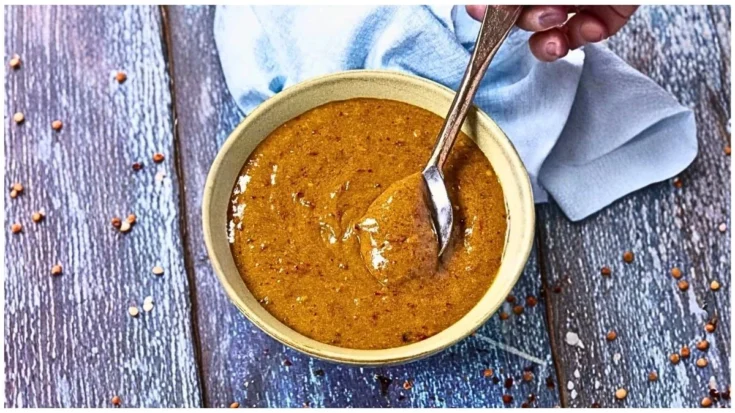
If you’ve ever grabbed a jar of Trader Joe’s Thai peanut satay sauce and wished you could recreate that rich, creamy goodness at home, you’re in the right place. This copycat Trader Joe’s Thai peanut satay sauce recipe brings together the perfect balance of savory peanuts, aromatic curry pastes, and coconut creaminess that made the original so beloved.
Ingredients
- 400 ml coconut milk
- 25 g red curry paste
- 25 g Massaman curry paste
- 1 cup raw peanuts, about 140–150 g
- 4 tablespoons palm sugar
- 1 tablespoon tamarind paste
- 1 teaspoon white vinegar
- 1/2 teaspoon salt, or adjust to your preference
Instructions
Step 1: Roast the Peanuts
Place the raw peanuts in a dry pot or skillet over medium heat. Keep stirring them continuously so they roast evenly and do not burn. Continue cooking for about 5 to 7 minutes, or until the peanuts turn golden brown and release a nutty aroma. Once roasted, remove them from the heat and let them cool for a few minutes. This roasting process is crucial for developing the deep, toasted flavor that makes this trader joes thai peanut satay sauce so irresistible.
Step 2: Grind the Peanuts
Transfer the roasted peanuts to a mortar and pestle or a coffee grinder. Grind them until they reach a coarse texture rather than a fine powder, as a little texture gives the satay sauce a more authentic and rich consistency. The small chunks of peanut create pleasant textural contrast throughout the sauce. Set the ground peanuts aside while you prepare the sauce base.
Step 3: Prepare the Curry Base
Pour the coconut milk into a medium saucepan and place it over medium heat. Add the red curry paste and Massaman curry paste, then stir well. Use the back of a spoon to mash the curry pastes into the coconut milk, helping them dissolve smoothly. Keep stirring occasionally until the mixture becomes well blended and fragrant. You’ll notice the coconut milk taking on a beautiful orange-red hue as the curry pastes incorporate fully.
Step 4: Add the Seasonings
Stir in the palm sugar, tamarind paste, white vinegar, and salt. Continue stirring until the palm sugar fully melts into the sauce and all the ingredients are evenly combined. The sauce should begin to develop a rich, slightly sweet, tangy, and mildly spicy flavor. This is where the magic happens as all the distinct flavors start harmonizing together.
Step 5: Simmer Until Thick
Add the ground peanuts to the saucepan and stir everything together until well combined. Let the sauce simmer over medium heat for 10 to 15 minutes, stirring from time to time, until it thickens into a creamy and smooth consistency. Once it becomes rich and luscious, remove it from the heat. Your homemade copycat trader joes thai peanut satay sauce recipe is now ready to serve warm with satay, spring rolls, fried tofu, or as a salad topping.
Notes
Store your homemade Thai peanut satay sauce in an airtight container in the refrigerator for up to one week. The sauce will thicken considerably when cold, so reheat gently in a saucepan over low heat, stirring frequently and adding a splash of coconut milk or water to restore the creamy consistency. You can also microwave in 30-second intervals, stirring between each heating session.
Nutrition Information:
Yield:
4Serving Size:
1Amount Per Serving: Calories: 80
Common Queries and FAQs
When you give this Trader Joe’s Thai Peanut Satay Sauce Recipe a try, you might have a few questions. Don’t worry-we’ve rounded up answers to the most common ones to help you out.
Can I freeze this trader joe’s peanut sauce?
Yes, this satay sauce freezes beautifully for up to three months. Portion it into ice cube trays or small containers for convenient single-serving portions. Thaw overnight in the refrigerator, then reheat gently while whisking to restore the smooth texture.
What can I use instead of palm sugar in this recipe?
Brown sugar, coconut sugar, or even honey can replace palm sugar in equal amounts. Brown sugar provides the closest flavor profile with its molasses notes, while coconut sugar offers a lower glycemic option. Honey will make the sauce slightly more fluid and add floral sweetness.
Is this sauce spicy or mild?
This copycat trader joes thai peanut satay sauce recipe sits comfortably in the mild to medium range, with warming spices rather than aggressive heat. The curry pastes provide gentle background spiciness that most people find pleasant rather than challenging. Adjust the red curry paste up or down based on your heat tolerance.
Can I make this sauce nut-free for allergies?
While peanuts are central to authentic satay sauce, you can experiment with sunflower seed butter or tahini as substitutes, though the flavor will differ significantly. These alternatives won’t replicate the exact trader joes thai peanut satay sauce taste but will create a creamy, useful dipping sauce.
Why is my sauce grainy instead of smooth?
Graininess usually results from overheating the coconut milk or grinding the peanuts too finely into a paste that then clumps. Keep heat at medium, stir regularly, and aim for coarsely ground peanuts with visible pieces rather than smooth peanut butter consistency.
How do I thin out leftover sauce that’s become too thick?
Simply whisk in warm water, coconut milk, or even a bit of lime juice one tablespoon at a time until you achieve your preferred consistency. Heat gently while stirring to help everything incorporate smoothly without breaking the emulsion.
What’s the difference between this and regular peanut sauce?
Thai satay sauce specifically incorporates curry pastes, tamarind, and coconut milk for complex layered flavors, while basic peanut sauce often relies primarily on peanut butter, soy sauce, and sweetener. The curry elements in this trader joes thai peanut satay sauce recipe create aromatic depth that simple peanut sauces lack.
Making your own copycat trader joes thai peanut satay sauce recipe at home brings the beloved flavors of this popular condiment right to your kitchen with fresh ingredients and customizable heat levels. This versatile sauce transforms everyday meals into something special, whether you’re dipping, drizzling, or using it as a cooking sauce.
The combination of roasted peanuts, aromatic curry pastes, and creamy coconut creates that signature taste that keeps people coming back for more. Now that you know how simple it is to recreate this Thai peanut satay from Trader Joe’s, you’ll never run out at the worst possible moment again.
We’d love to hear how this recipe turns out for you! Give it a try, then drop a comment below to share your thoughts and tips with us. You can also follow us on Pinterest, and YouTube for more delicious updates and kitchen inspiration. Your feedback and support mean the world to us!