
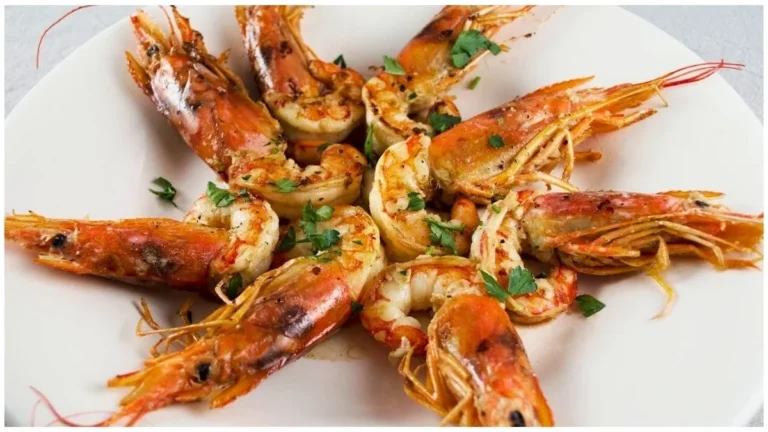

If you’re searching for an elegant yet easy seafood dinner, this Argentinian red shrimp recipe delivers restaurant-quality results in under 10 minutes.
Argentine red shrimp, known scientifically as Pleoticus muelleri, are prized for their naturally sweet flavor and tender, lobster-like texture.
Whether you’ve found them at Trader Joe’s, Costco, or your local seafood market, learning how to cook Argentinian red shrimp properly transforms these crimson beauties into a memorable meal.
This garlic butter preparation highlights their delicate sweetness without overpowering it, making it perfect for weeknight dinners or special occasions. Let’s dive into this foolproof method that brings out the best in these premium crustaceans.
What Does Argentinian Red Shrimp Taste Like?
Argentinian red shrimp taste remarkably sweet with a buttery, delicate flavor profile often compared to lobster or langostine.
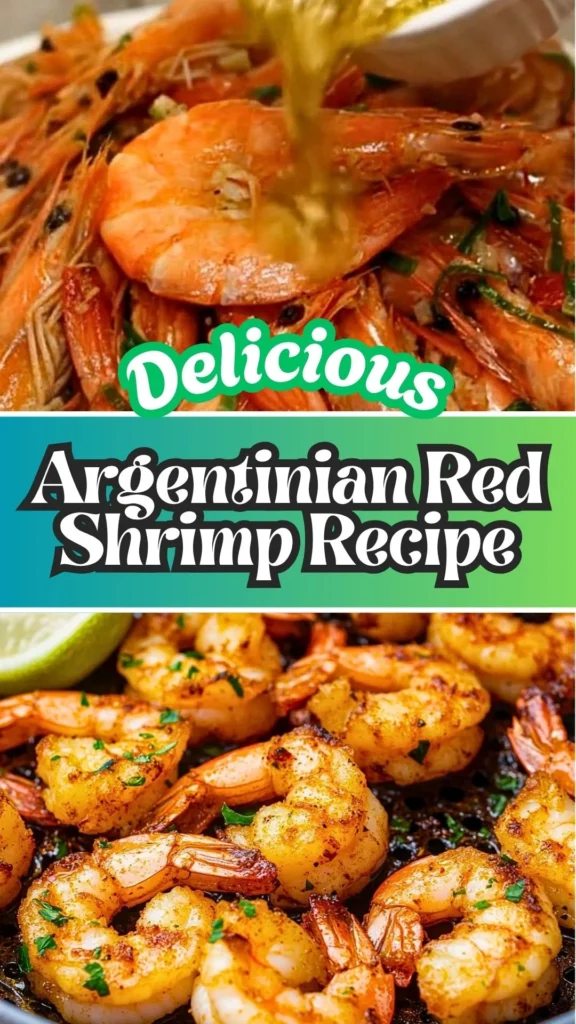
Their texture is tender and slightly firm-not rubbery like overcooked common shrimp-with a clean ocean finish. The natural sweetness intensifies when sautéed in butter and garlic, creating a rich umami depth.
The slight brininess balances beautifully with citrus and herbs, while the head (if left on) adds an extra layer of savory complexity. These shrimp offer a luxurious eating experience that feels indulgent without being heavy or overly fishy.
Argentinian Red Shrimp Recipe Ingredients
- 1 pound Argentine red shrimp (head-on or as available)
- 2 cloves garlic, smashed
- 1½ tablespoons unsalted butter
- 1½ tablespoons olive oil
- Salt, to taste
- Black pepper, to taste
- Fresh Italian parsley, chopped (for garnish)
- Lemon wedges (for garnish/serving)
Kitchen Utensils:
- Large skillet or sauté pan
- Paper towels
- Sharp knife
- Cutting board
- Tongs or spatula
- Garlic press or knife for smashing
Preparation and Cooking Time
Preparation Time: 5 minutes
Cooking Time: 3-4 minutes
Total Time: 8-9 minutes
Servings: 2-3 people
Copycat Argentinian Red Shrimp Recipe
Step 1: Prepare the Shrimp
If using frozen Argentinian red shrimp, thaw them in the refrigerator overnight or under cold running water for 15-20 minutes. You can cook them shell-on and head-on for maximum flavor and moisture retention, or peel and devein if you prefer easier eating. Pat the shrimp completely dry with paper towels-this ensures proper searing and prevents steaming.
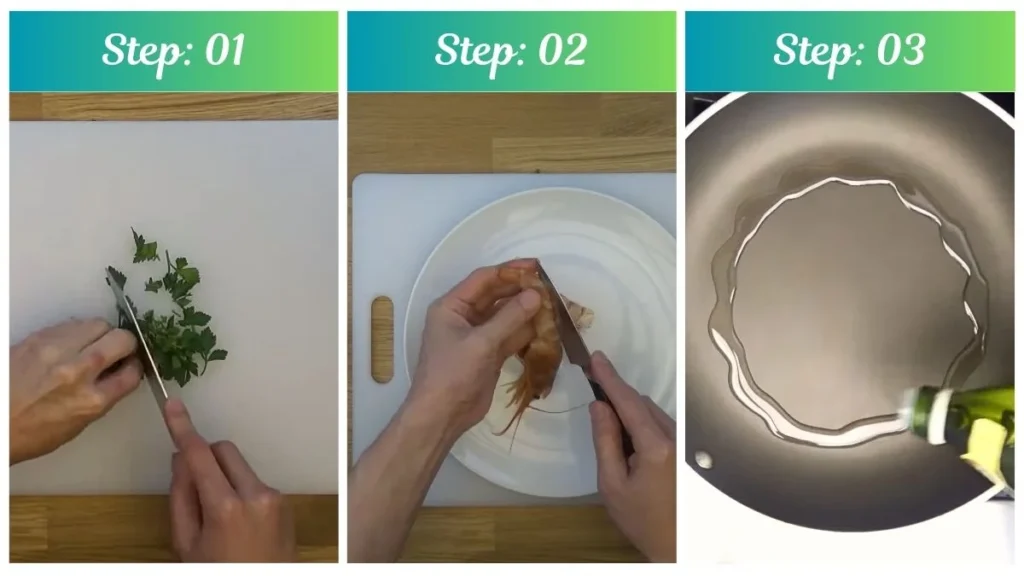
Step 2: Heat Your Pan
Place a large skillet over medium heat and add the olive oil and unsalted butter. Allow the butter to melt completely and start bubbling gently. The combination of butter and oil prevents burning while adding rich flavor. Wait until the fat shimmers slightly before proceeding.
Step 3: Infuse with Garlic
Add the smashed garlic cloves to the hot butter-oil mixture. Sauté for 30-60 seconds, stirring occasionally, until fragrant and just beginning to turn golden. Don’t let the garlic brown or burn, as this creates bitterness. The goal is to infuse the cooking fat with aromatic garlic essence.
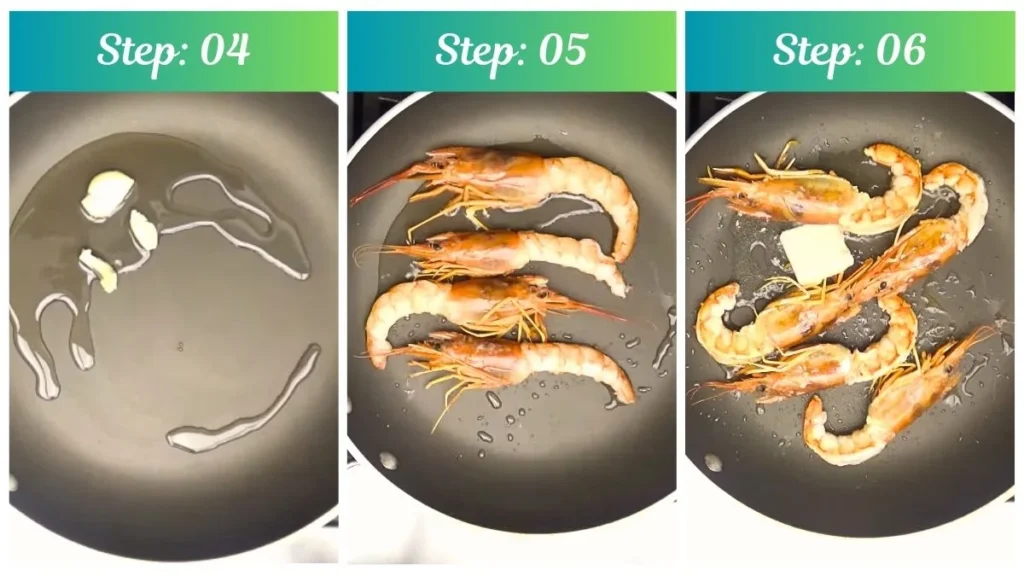
Step 4: Sauté the Shrimp
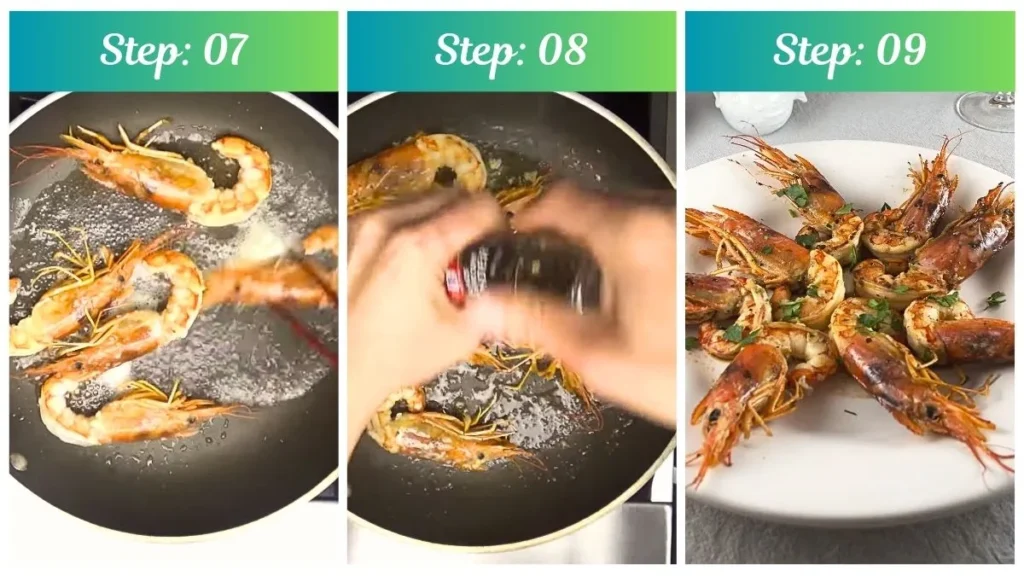
Arrange the Argentine red shrimp in a single layer in the skillet-avoid overcrowding, working in batches if necessary. Season immediately with salt and freshly cracked black pepper. Cook for 1-2 minutes on the first side until they turn vibrant red-orange and develop slight browning.
Step 5: Flip and Finish
Using tongs, flip each shrimp to cook the second side for another 1-2 minutes. The shrimp are done when they’re bright red, opaque throughout, and curled into a loose “C” shape. Total cooking time is typically 2-4 minutes-these cook much faster than regular shrimp due to their delicate nature.
Step 6: Garnish and Serve
Remove the skillet from heat immediately to prevent overcooking. Transfer the shrimp to a serving platter, spooning the garlic butter over top. Sprinkle generously with freshly chopped Italian parsley and arrange lemon wedges alongside. Serve immediately while hot for the best texture and flavor.
Customization and Pairing Ideas for Serving
1. Spicy Argentinian Kick
Add ½ teaspoon red pepper flakes or a pinch of smoked paprika during cooking to complement the shrimp’s sweetness with heat. For authentic Argentine flavor, finish with chimichurri sauce instead of parsley.
2. White Wine Butter Sauce
After cooking the shrimp, deglaze the pan with ¼ cup dry white wine and 1 tablespoon additional butter. Let it reduce for 30 seconds to create a luxurious pan sauce that elevates the dish to fine-dining status.
3. Mediterranean Style
Toss the cooked shrimp with cherry tomatoes, Kalamata olives, capers, and fresh basil. Serve over orzo or couscous for a complete Greek-inspired meal.
4. Pasta Pairing
Serve these garlic butter shrimp over angel hair pasta, linguine, or creamy risotto. The shrimp’s natural juices and garlic butter create an instant sauce when tossed with hot pasta and a splash of pasta water.
5. Taco Tuesday Upgrade
Use the shrimp as a premium filling for tacos with cabbage slaw, avocado crema, and pickled red onions. The sweetness pairs beautifully with tangy, crunchy toppings.
6. Salad Topper
Slice the cooked shrimp and arrange over mixed greens, arugula, or Caesar salad for a protein-rich lunch. Their lobster-like quality makes any salad feel restaurant-worthy.
7. Classic Surf and Turf
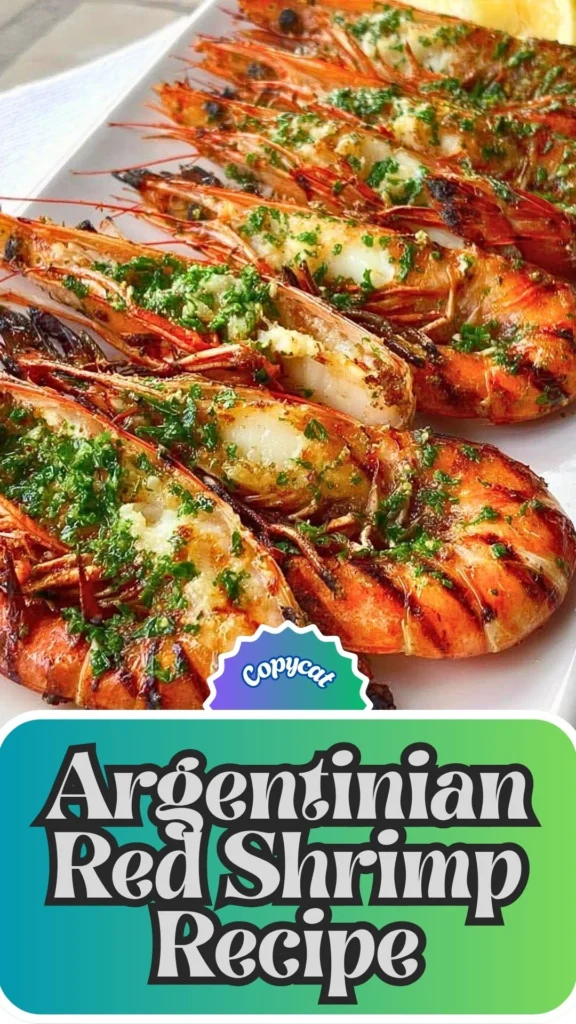
Pair these shrimp alongside grilled steak, roasted asparagus, and garlic mashed potatoes for an impressive dinner party menu. The cooking method is simple enough that you can manage multiple components without stress.
Essential Tips for Perfect Argentinian Red Shrimp Recipe
1. Don’t Overcook-Watch the Clock
Argentinian red shrimp cook in half the time of regular shrimp due to their delicate texture. Overcooking by even 30 seconds turns them rubbery and diminishes their sweet flavor. Remove them from heat the moment they turn opaque and curl slightly-they’ll continue cooking from residual heat.
2. Keep the Heads On for Maximum Flavor
If you can find head-on Argentine red shrimp, embrace them. The heads contain flavorful oils and intensify the overall taste. While you’ll remove them before eating, cooking with heads on adds a depth similar to cooking shellfish in their shells.
3. Room Temperature is Key
Take the shrimp out of the refrigerator 10-15 minutes before cooking. Cold shrimp hitting a hot pan can lower the temperature dramatically, causing steaming instead of sautéing. Room temperature shrimp sear beautifully and cook more evenly.
4. Dry Thoroughly Before Cooking
Moisture is the enemy of a good sear. Use paper towels to pat the shrimp completely dry before they hit the pan. Wet shrimp will steam and turn gray rather than developing that gorgeous caramelized exterior and staying bright red.
5. Use Medium Heat, Not High
While you might sear regular shrimp over high heat, Argentinian red shrimp are more delicate. Medium heat allows the butter to flavor them without burning while giving enough time for the shrimp to cook through without toughening.
6. Season Generously
These shrimp can handle bold seasoning because their natural sweetness balances salt beautifully. Don’t be shy with the salt and pepper-underseasoning is the most common mistake that makes the dish taste flat.
7. Fresh is Best, But Frozen Works
Most Argentinian red shrimp are flash-frozen at sea to preserve freshness. Properly thawed frozen shrimp often taste better than “fresh” shrimp that sat in transit for days. Thaw slowly in the refrigerator rather than using hot water, which can partially cook the exterior and create texture issues.
Storage and Reheating Guidance
Store leftover cooked Argentinian red shrimp in an airtight container in the refrigerator for up to 2 days. Reheat gently in a skillet over low heat with a splash of butter or olive oil for 1-2 minutes, just until warmed through. Avoid microwaving, which makes them rubbery. For best quality, enjoy these shrimp immediately after cooking.
Argentinian Red Shrimp Recipe
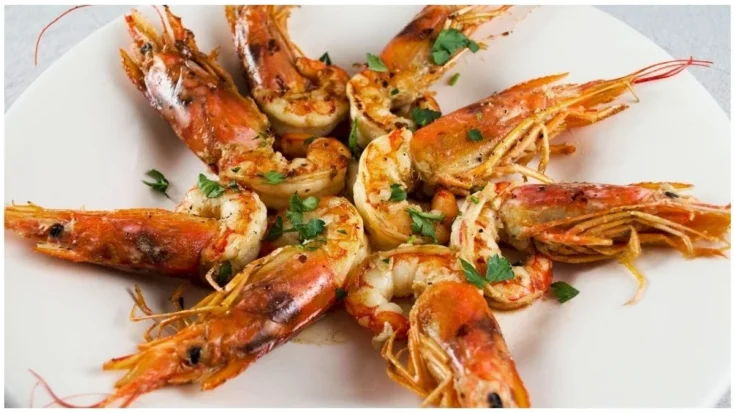
If you’re searching for an elegant yet easy seafood dinner, this Argentinian red shrimp recipe delivers restaurant-quality results in under 10 minutes. Argentine red shrimp, known scientifically as Pleoticus muelleri, are prized for their naturally sweet flavor and tender, lobster-like texture.
Ingredients
- 1 pound Argentine red shrimp
- 2 cloves garlic, smashed
- 1½ tablespoons unsalted butter
- 1½ tablespoons olive oil
- Salt, to taste
- Black pepper, to taste
- Fresh Italian parsley, chopped
- Lemon wedges
Instructions
Step 1: Prepare the Shrimp
If using frozen Argentinian red shrimp, thaw them in the refrigerator overnight or under cold running water for 15-20 minutes. You can cook them shell-on and head-on for maximum flavor and moisture retention, or peel and devein if you prefer easier eating. Pat the shrimp completely dry with paper towels-this ensures proper searing and prevents steaming.
Step 2: Heat Your Pan
Place a large skillet over medium heat and add the olive oil and unsalted butter. Allow the butter to melt completely and start bubbling gently. The combination of butter and oil prevents burning while adding rich flavor. Wait until the fat shimmers slightly before proceeding.
Step 3: Infuse with Garlic
Add the smashed garlic cloves to the hot butter-oil mixture. Sauté for 30-60 seconds, stirring occasionally, until fragrant and just beginning to turn golden. Don’t let the garlic brown or burn, as this creates bitterness. The goal is to infuse the cooking fat with aromatic garlic essence.
Step 4: Sauté the Shrimp
Arrange the Argentine red shrimp in a single layer in the skillet-avoid overcrowding, working in batches if necessary. Season immediately with salt and freshly cracked black pepper. Cook for 1-2 minutes on the first side until they turn vibrant red-orange and develop slight browning.
Step 5: Flip and Finish
Using tongs, flip each shrimp to cook the second side for another 1-2 minutes. The shrimp are done when they’re bright red, opaque throughout, and curled into a loose “C” shape. Total cooking time is typically 2-4 minutes-these cook much faster than regular shrimp due to their delicate nature.
Step 6: Garnish and Serve
Remove the skillet from heat immediately to prevent overcooking. Transfer the shrimp to a serving platter, spooning the garlic butter over top. Sprinkle generously with freshly chopped Italian parsley and arrange lemon wedges alongside. Serve immediately while hot for the best texture and flavor.
Notes
Store leftover cooked Argentinian red shrimp in an airtight container in the refrigerator for up to 2 days. Reheat gently in a skillet over low heat with a splash of butter or olive oil for 1-2 minutes, just until warmed through. Avoid microwaving, which makes them rubbery. For best quality, enjoy these shrimp immediately after cooking.
Nutrition Information:
Yield:
3Serving Size:
1Amount Per Serving: Calories: 250
Common Queries and FAQs
When you give this Argentinian Red Shrimp Recipe a try, you might have a few questions. Don’t worry-we’ve rounded up answers to the most common ones to help you out.
Q: Where can I buy Argentinian red shrimp?
A: Trader Joe’s and Costco regularly stock frozen Argentine red shrimp year-round. You’ll also find them at specialty seafood markets, Whole Foods, and online retailers like Vital Choice or FultonFishMarket.com. They’re typically sold frozen in 1-2 pound bags.
Q: Should I peel Argentinian red shrimp before cooking?
A: You can cook them either way. Shell-on shrimp retain more moisture and flavor during cooking but require peeling at the table. Peeled shrimp are more convenient and still delicious-just watch the timing carefully as they cook slightly faster.
Q: Why are Argentine red shrimp sweet?
A: Their natural sweetness comes from their cold-water habitat off the Patagonian coast and their diet of plankton. The deep, frigid waters of Argentina produce shrimp with higher glycogen content, which translates to a sweeter, more delicate flavor.
Q: How can I tell when Argentinian red shrimp are done?
A: Look for three signs: they turn bright red-orange (from their natural raw color), the flesh becomes opaque rather than translucent, and they curl into a loose “C” shape. If they curl into a tight “O,” they’re overcooked.
Q: Can I grill Argentinian red shrimp?
A: Absolutely! Thread them on skewers and grill over medium-high heat for 1-2 minutes per side. Brush with garlic butter while grilling. Their firm texture holds up well to grilling, though they cook even faster than on the stovetop.
Q: What’s the difference between Argentine red shrimp and regular shrimp?
A: Argentine red shrimp (Pleoticus muelleri) are wild-caught from cold Patagonian waters, giving them a sweeter, more lobster-like flavor and softer texture. Regular shrimp (usually Penaeus species) have a firmer bite and less pronounced sweetness. Argentine shrimp are also naturally red even when raw.
Q: Are the heads edible?
A: While technically edible, the heads are typically not eaten whole. However, you can suck the flavorful oils from the head cavity-a delicacy in many cultures. Some chefs also use the heads to make incredible seafood stock or bisque.
Q: Can I make this recipe with frozen shrimp straight from the freezer?
A: It’s not recommended. Cooking from frozen releases excess moisture during cooking, preventing proper searing and resulting in a rubbery texture. Always thaw Argentine red shrimp first for the best results.
This Argentinian red shrimp recipe proves that luxury seafood doesn’t require complicated techniques or lengthy preparation. With just a few quality ingredients and careful attention to timing, you can create a restaurant-worthy dish that showcases the natural sweetness and tender texture these prized crustaceans are famous for.
Whether you’re introducing your family to premium seafood or impressing dinner guests, knowing how to cook Argentinian red shrimp properly opens up endless culinary possibilities. The simple garlic butter preparation serves as a perfect foundation-master this technique, and you’ll return to these beautiful Argentine red shrimp again and again for effortless elegance on your dinner table.
We’d love to hear how this recipe turns out for you! Give it a try, then drop a comment below to share your thoughts and tips with us. You can also follow us on Pinterest, and YouTube for more delicious updates and kitchen inspiration. Your feedback and support mean the world to us!